Packaging Industry Insights
Practical guides to custom packaging structures, materials, finishes, MOQ and project planning from Lume Packing.
Industry Trends
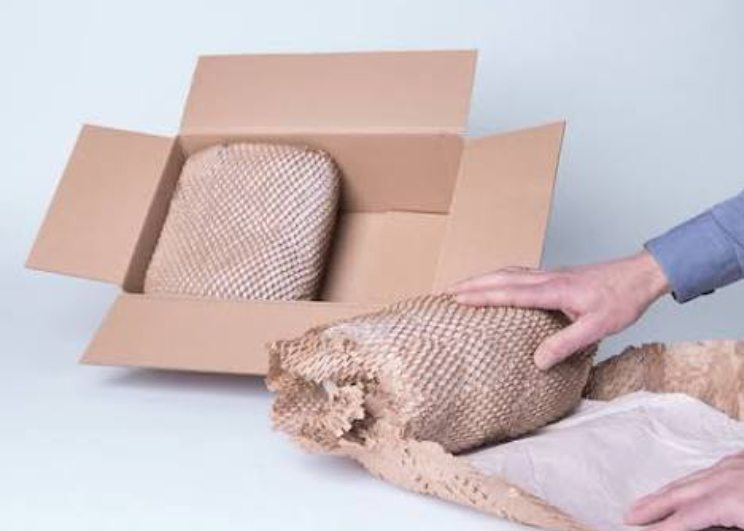
Will Eco-Friendly Packaging Keep Growing in Popularity? Consumer Concern Has Not Changed in 5 Years — So Why Must Brands Still Act?
Many brands ask whether eco-friendly packaging is a short-term fashion or a long-term trend. This article answers with two kinds of data: consumer research and EU regulation.
How to Choose Valentine's Day and Mother's Day Packaging? How One Jewelry Product Went from EUR 68 to EUR 136 with Holiday Packaging
Valentine's Day and Mother's Day are the two most important dates of the year for gift products, and packaging directly decides whether buyers see a product as a gift. This article explains how the two holidays differ, which box types to choose and when to order.
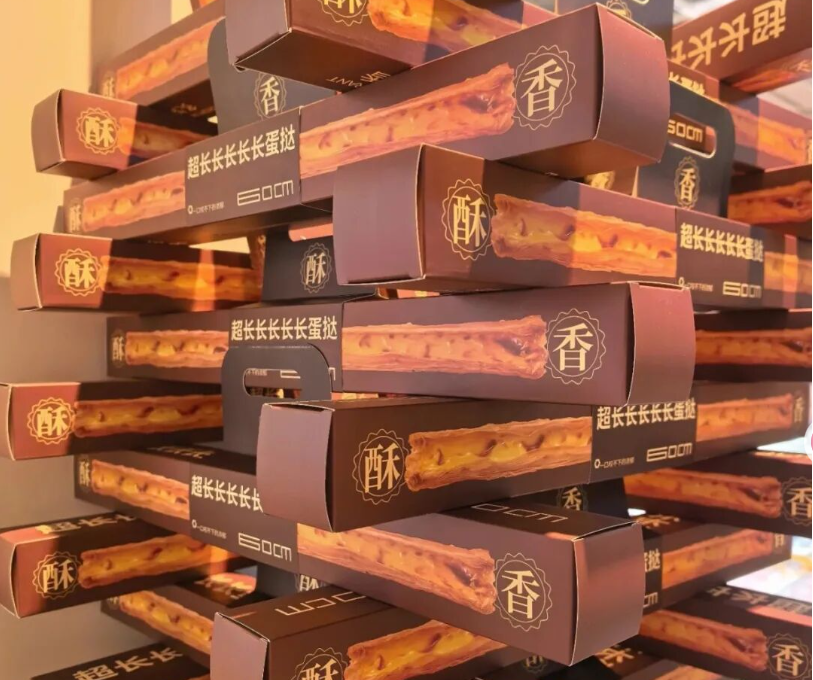
Creative Packaging Can Lift Sales 2–3x in a Weak Economy
in a weak economy, packaging is one of the cheapest ways to stand out. A Maltese jewelry client of Lumepacking places 2 orders a year, using 1 fixed base package plus 1 limited holiday package per season. The client reports a 2–3x sales increase and a selling price that rose from EUR 68 to EUR 136 for the same product. In August–September 2026, the 60 cm "super-long egg tart" (about 7x the length of a standard tart, priced at RMB 16.8–19.8) changed its shape and packaging and ignited a single product: over 700,000 units in 8 days, with sales returning to normal once the peak passed. Creative packaging can amplify sales and price when costs are controlled and the product fits.

Need a Separate Packaging Design for Promotions? How to choose?
Platform-wide promotions tend to cluster around holidays, and the products that sell best during those promotions tend to be gift-oriented — food, jewelry, tea, mooncakes. This article covers two things: whether it's worth designing dedicated packaging for promotional periods, and how to do it without adding much cost. It includes a real case from a recent Latvian jewelry client.

Real-time production videos for every order: is this worth building?
We're considering filming every production stage — printing, hot stamping, lamination, assembly — and sharing it with you live. Vote below.
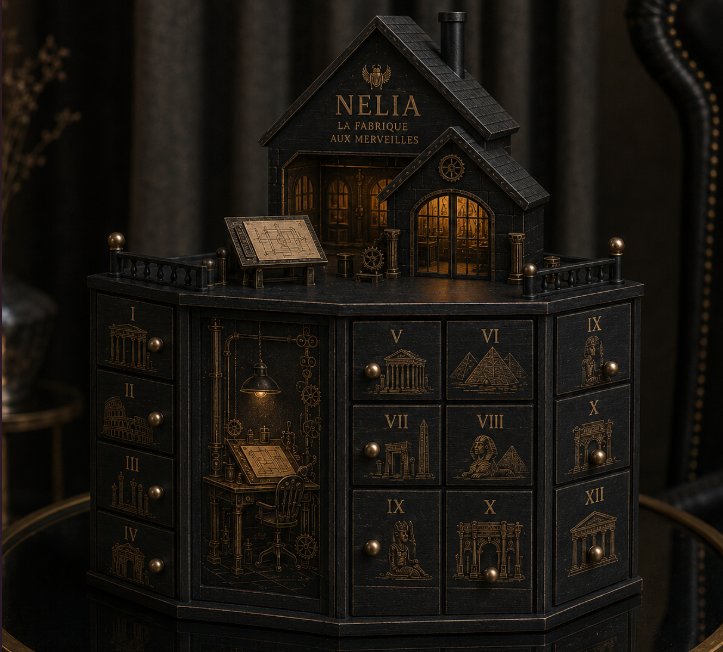
Can an AI-Generated Design Actually Be Used to Make Your Packaging?
More and more clients — including two recent clients in France — are sending us AI-generated images and asking whether we can produce packaging directly from them. The honest answer isn't a simple yes or no; it depends on which of three situations the image falls into. This article breaks down the three cases so you can tell where your own AI image stands, and what happens next.
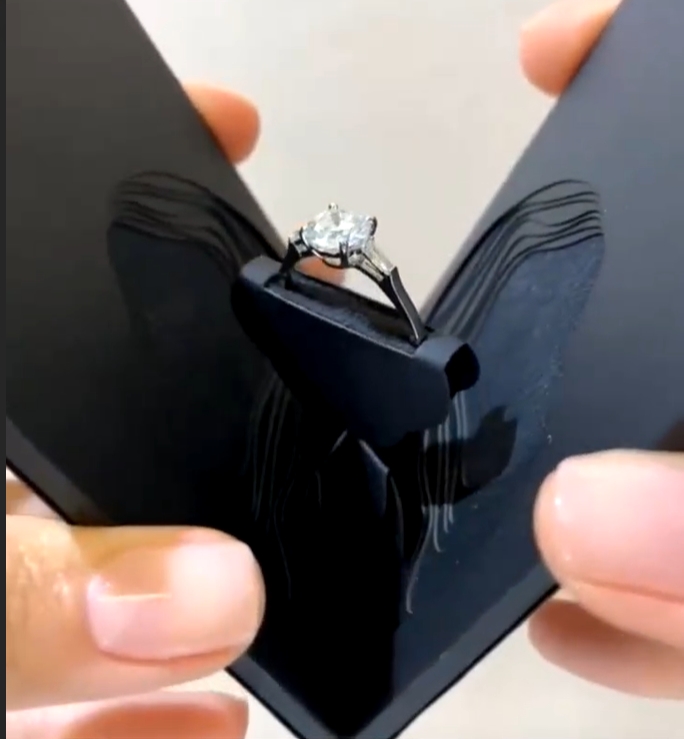
Beautiful Packaging Doesn't Equal Expensive Packaging: Design and Creativity are the Real Competitive Advantages
A Real Job: The Client's Dilemma Wasn't About Whether It Had to Look Good, But How Much It Would Cost

Plastic Packaging's Cost Advantage May Be Shrinking: What the EU's 2030 Recycled Content Rules Mean for Brands
Many brands assume plastic packaging is simply cheaper than paper. The EU's 2030 recycled-content rules for plastic could change that cost equation—here's what to plan for now.
From PFAS Restrictions to Recycled Content Requirements: Why Paper Packaging May Be the Easier Choice Under the EU's New PPWR Rules
New EU limits on PFAS in food-contact packaging, effective August 12, 2026, make paper-based materials an easier compliance path than plastics that rely on restricted coatings.
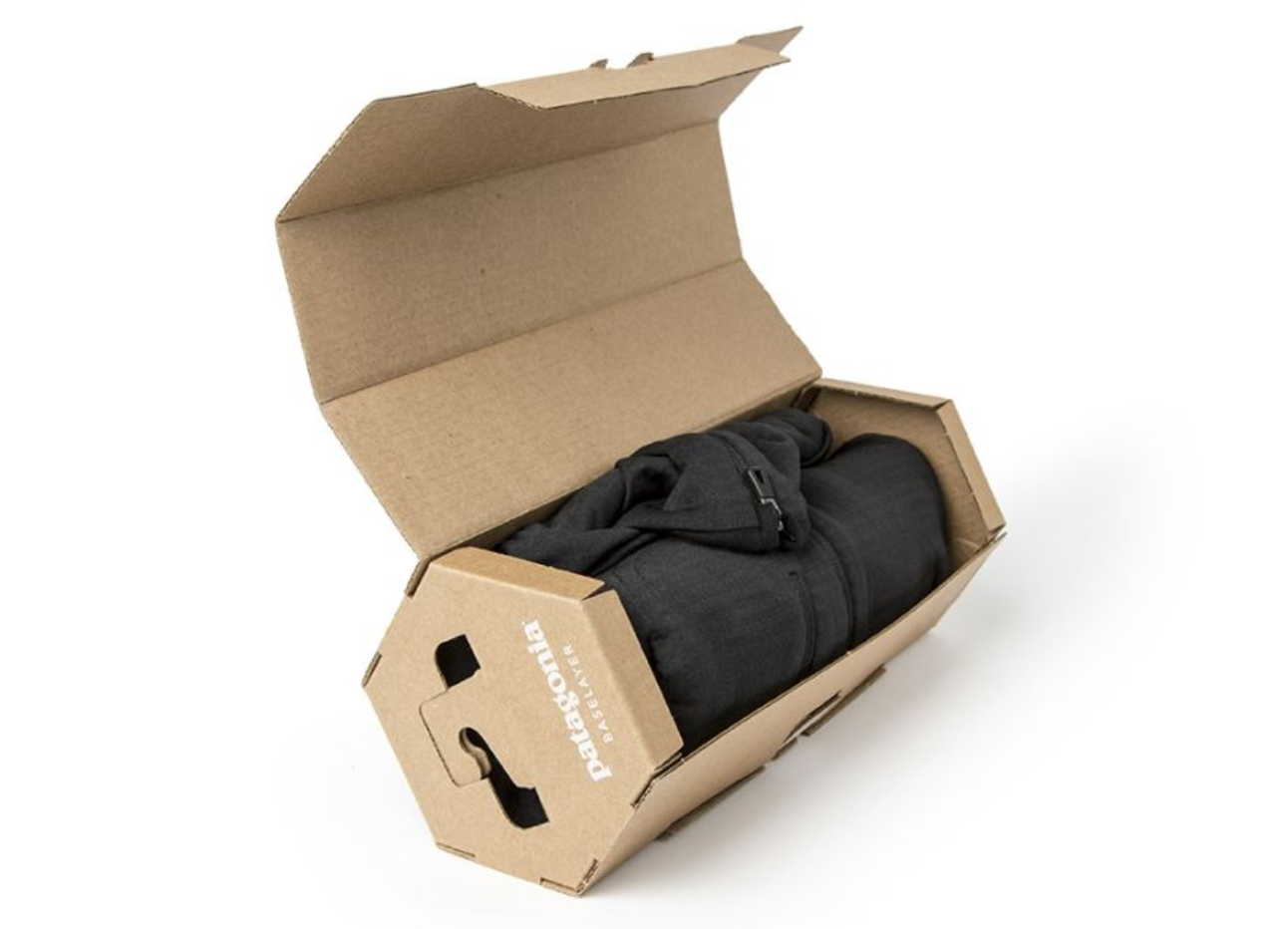
EU's New Packaging Rules Are Now in Effect: Is Your E-commerce Packaging Still Compliant with the 40% Empty Space Limit?
Since August 12, 2026, EU e-commerce packages can't have more than 40% empty space inside the box. Here's what the rule means and how to check if your packaging complies.
Knowledge Sharing
How to Find a Source Packaging Factory Instead of a Middleman? Why Registered Capital and Address Cannot Be Trusted
Many overseas brands find a "factory" through B2B platforms or Google, only to discover after ordering that it is a middleman: an extra layer of price and an extra layer of communication. Lumepacking is a custom paper packaging supplier with its own factory; this article explains 6 ways to tell whether the other side is a source factory.
How to Choose a Factory for Small-Batch Packaging Orders as a Startup? Why Is 500 Pieces So Much More Expensive Than 3,000?
When a startup brand orders custom packaging for the first time, the usual problems are an MOQ that is too high, a unit price that is too expensive and samples that disappoint. Lumepacking has handled many small-batch projects for European and US startups and independent-store sellers; this article summarizes 7 points to watch when choosing a factory.
What Are the CPC Certificate Requirements for Children's Packaging? Our Full CPC Testing Process, Step by Step
For children's products exported to the US, the step that most often holds up an order is the CPC certificate. Lumepacking recently completed CPC testing and certification for a children's packaging product. This article uses that experience to explain CPC requirements, process, cost and common mistakes.
In Which Cases Should You Not Choose a Chinese Packaging Factory? China vs Europe: 6-Point Comparison (2026)
Many European and US brands worry about quality, communication and lead times when sourcing packaging from China. This article compares Chinese and European local factories across 6 dimensions and explains in which cases you should not choose a Chinese packaging factory, and which orders it suits best.
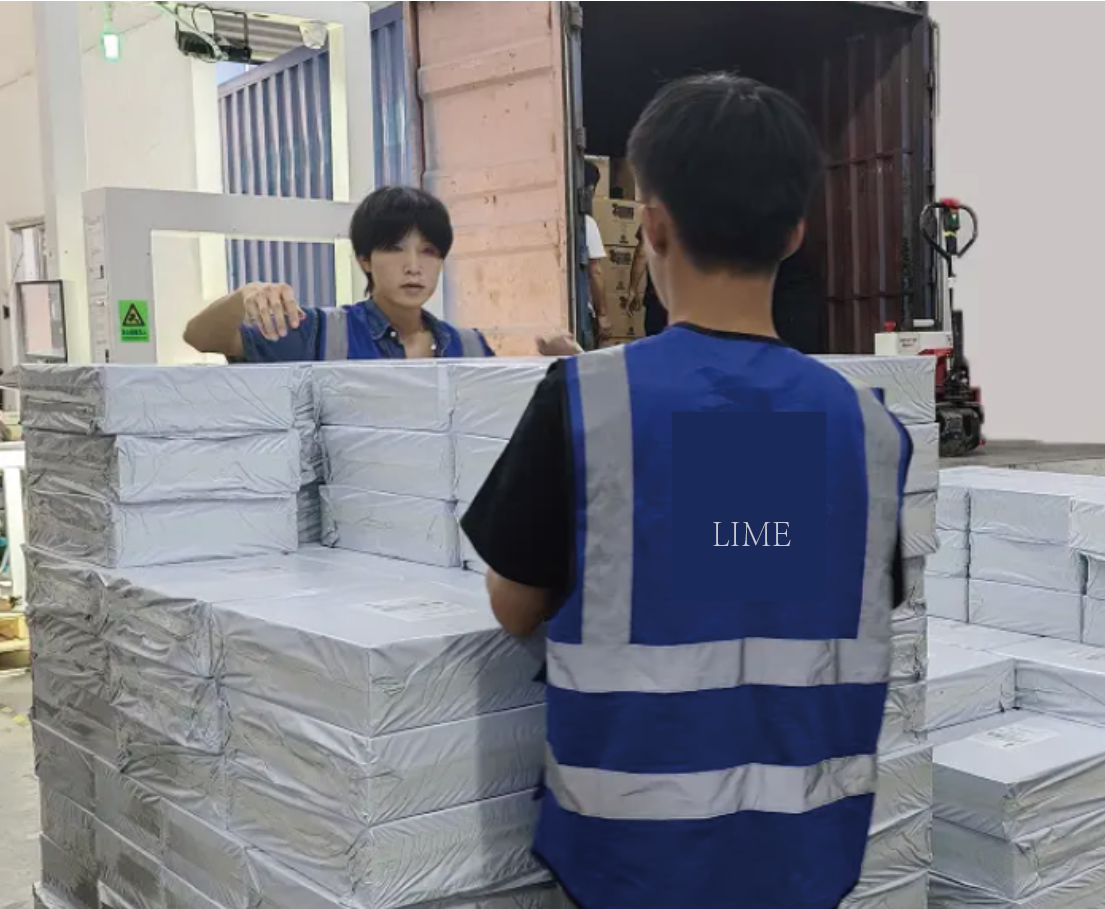
Our Packaging Inspection Standards: What Sits Behind Our 98% Pass Rate
This article sets out the specific inspection criteria behind our committed 98%+ pass rate, covering color consistency, surface glue residue, structural strength, printing/material consistency, and outer carton reinforcement.
Case Study: CPSC Testing for a Client Selling Children's Product Packaging on Amazon
We recently helped a US client complete CPSC-related testing for a children's Christmas countdown calendar packaging box headed for Amazon — the platform and the regulation both require testing before it can go live. This article breaks down what the test actually is, which countries and product categories it covers, roughly what it costs, and one thing clients often get wrong: it is not a one-time test that stays valid forever.
What to prepare before requesting a custom packaging quote
The information that helps a packaging manufacturer estimate structure, materials, timing and cost with fewer revisions.
Packaging materials and finishes: a practical selection guide
How paper, board, foil, embossing and lamination work together to create a coherent packaging experience.
Custom packaging MOQ: what determines the minimum order quantity?
Understand why materials, printing, finishing and assembly influence MOQ—and how to prepare a more efficient first order.
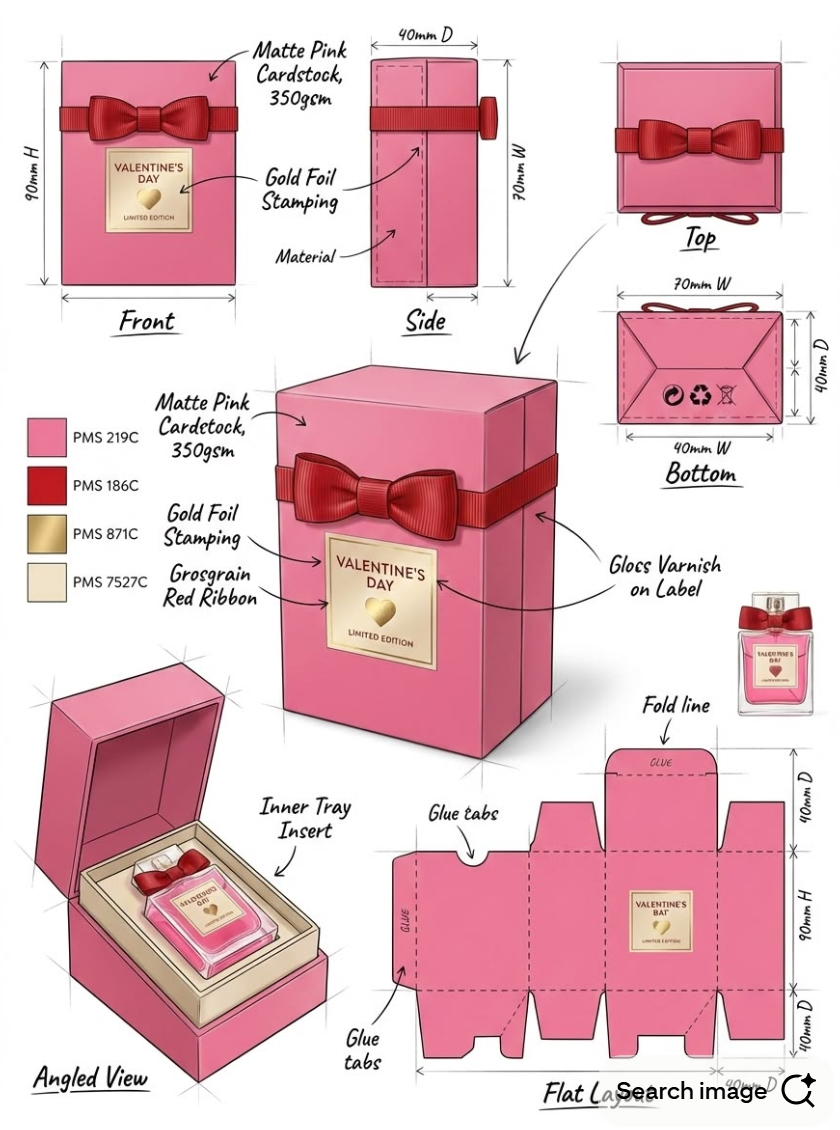
How to choose the right custom packaging box structure
A practical framework for comparing rigid, folding, drawer and presentation box formats around your product and launch plan.
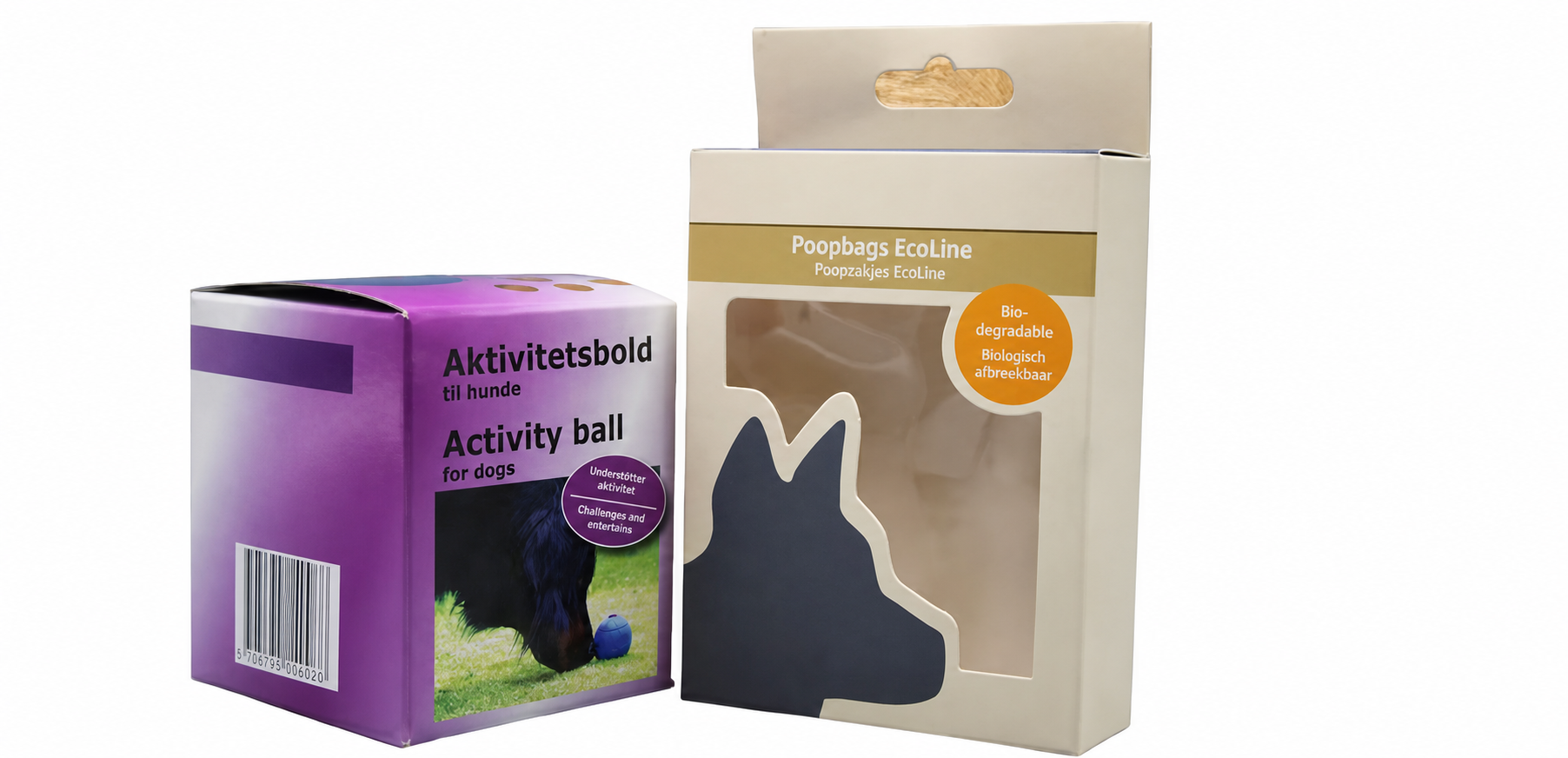
FSC-certified pet product packaging for a German brand
How a custom window carton, 600 gsm paper card and colour sampling balanced visibility, strength and a target unit cost below US$1.
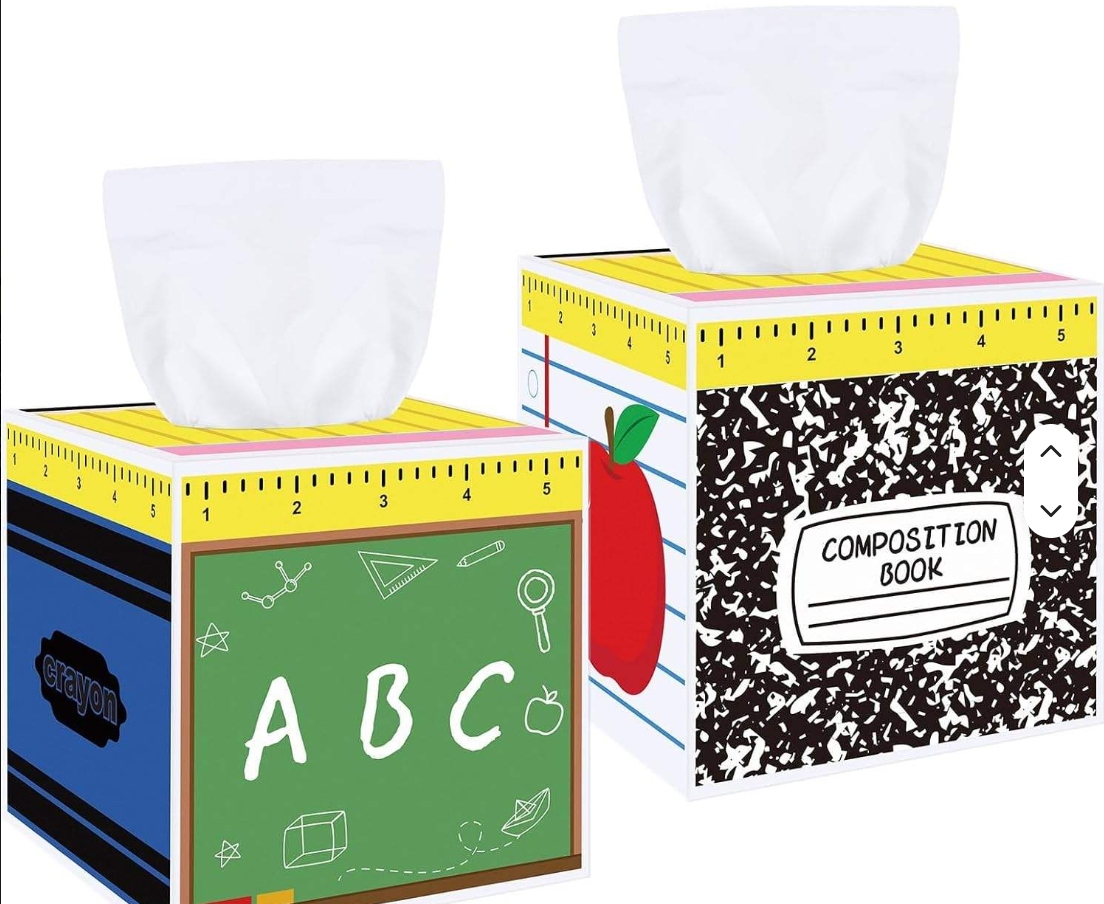
Turning tissue packaging into a reusable part of everyday life
A playful, refillable tissue-box concept designed to create practical value, emotional connection and longer-lasting brand visibility.
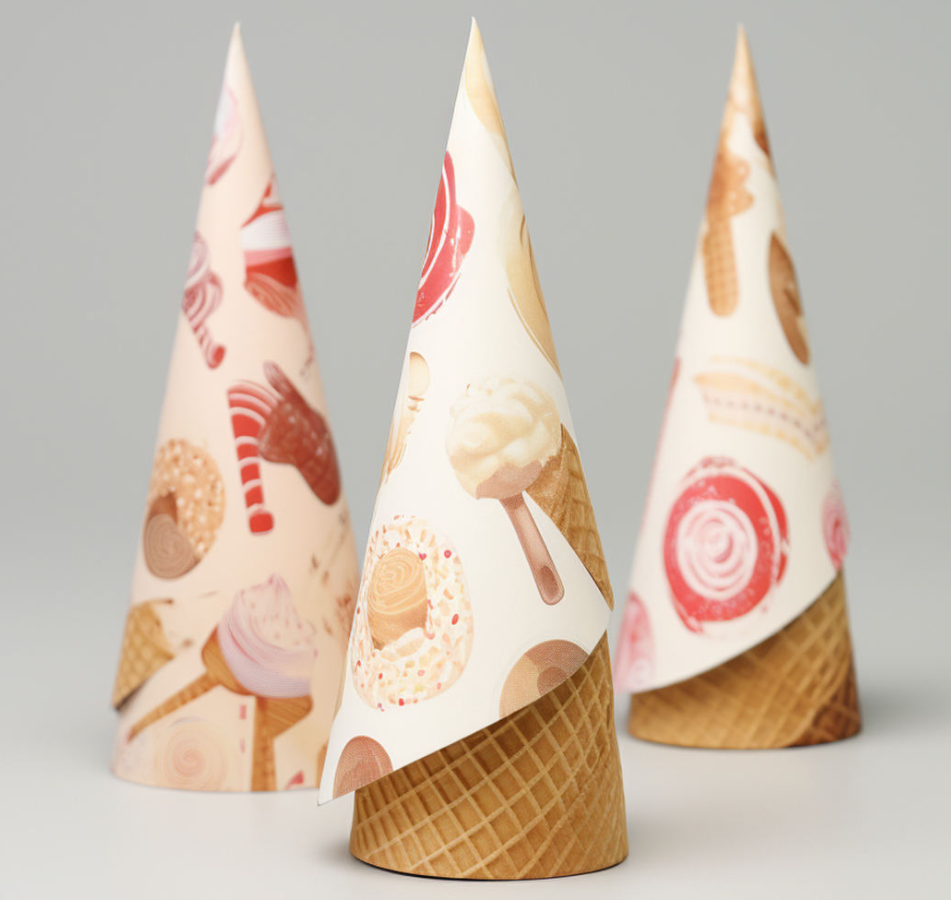
Why we declined to quote ordinary paper for an ice cream cone sleeve
A long-term UAE customer, an approved sample and a high-volume opportunity—yet the order stopped when food-contact material became non-negotiable.
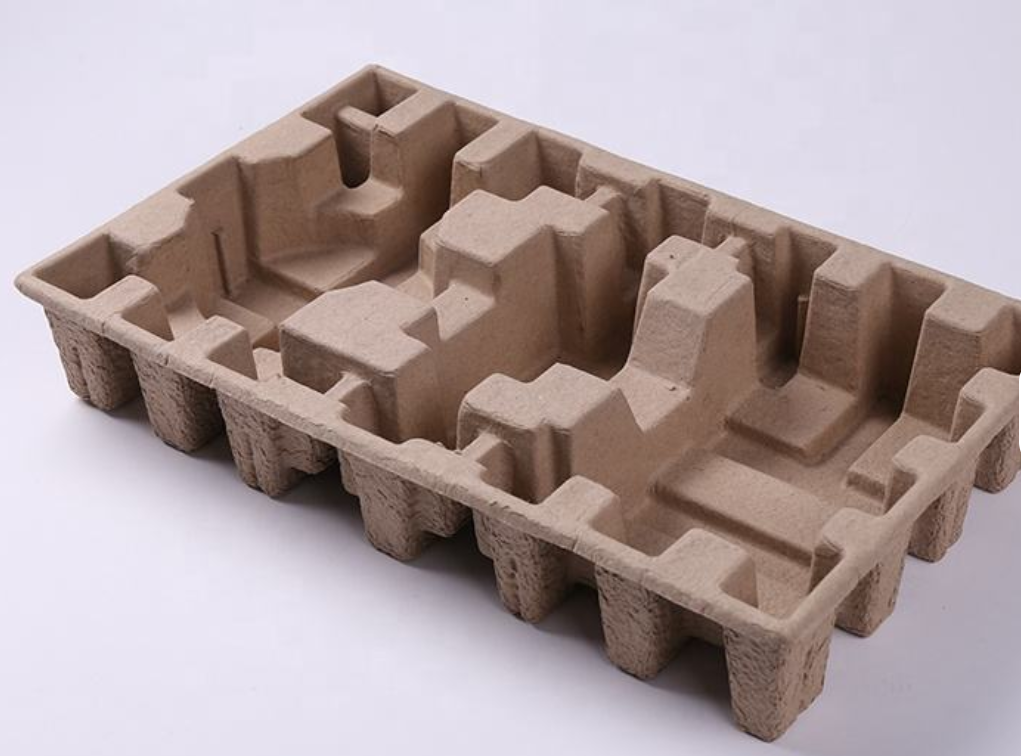
Molded pulp trays vs thermoformed plastic trays for electronics packaging
A practical comparison of cushioning, moisture resistance, surface protection, tolerances, ESD requirements and market considerations for custom product inserts.