On August 12, 2026, the EU's Packaging and Packaging Waste Regulation (PPWR) entered a new stage of application. One requirement is especially relevant to businesses selling online into the EU: empty space inside e-commerce packages must not exceed 40% of the package volume.
The rule applies regardless of company size—there is no special exemption for small sellers. In practical terms, continuing to ship small products in oversized boxes simply because one box size is used for everything may no longer be compliant.
This article explains what the 40% rule actually means, why the EU introduced it, and what brands should be doing now.
What Is the PPWR, and When Did the 40% Empty Space Rule Take Effect?
PPWR stands for the Packaging and Packaging Waste Regulation. It represents one of the biggest overhauls of EU packaging legislation in recent years.
Many PPWR requirements will be phased in between 2027 and 2030. However, the rule on empty space was not placed on the later implementation schedule. From August 12, 2026, it became a requirement that businesses need to comply with.
So if you are currently shipping products to customers in the EU, this is already something your packaging operation needs to take into account.
What Does "No More Than 40% Empty Space" Actually Mean?
The rule requires the empty space inside an e-commerce package to stay below 40%, unless the additional space is technically unavoidable.
The basic calculation is straightforward:
Empty space = (Internal package volume − product volume) ÷ internal package volume
If you regularly use one oversized shipping box for products of different sizes and then fill the remaining space with bubble wrap, void fill, or packing paper to stop the product from moving around, there is a good chance some of those shipments could exceed the 40% limit.
In other words, using more filler to compensate for an oversized box is no longer the same as using a right-sized package.
Why Is the EU Regulating Empty Space in E-commerce Packages?
The reason is fairly straightforward.
E-commerce shipments have grown rapidly across Europe, and the common practice of shipping small products in unnecessarily large boxes creates two major problems.
First, it generates more packaging waste. More cardboard, more cushioning material, and more void fill directly conflict with the EU's broader goal of reducing unnecessary packaging.
Second, oversized parcels waste valuable transport space. Half-empty boxes take up more room in warehouses, delivery vehicles, and shipping containers, reducing logistics efficiency and indirectly increasing costs and carbon emissions.
The regulatory direction is therefore clear: packaging should fit the product more closely, instead of relying on extra filler to make an oversized box work.
I'm a Small Brand. Do I Still Need to Worry About This?
Yes.
The core obligations under the PPWR are not designed around a simple "large company versus small company" exemption. If you place packaged products on the EU market, the relevant requirements can still apply to you.
Whether you ship hundreds of thousands of orders a year or only a few hundred orders a month through your own online store, you should not assume that being a small seller automatically exempts you from the rule.
That is something many smaller brands may overlook.
How Can I Check Whether My Current Packaging Is Over the Limit?
Start with the packaging formats you use most often.
Take the internal dimensions of your boxes and compare them with the actual volume of the products packed inside. Calculate the empty space percentage using the formula above.
If you sell products in several different sizes but rely on only one or two box sizes for most orders, there is a good chance that some shipments will exceed the 40% threshold.
The good news is that a basic packaging audit does not take very long.
What Should I Do If Some of My Packages Exceed the Limit?
The most practical solution is not to create a completely different box for every single product.
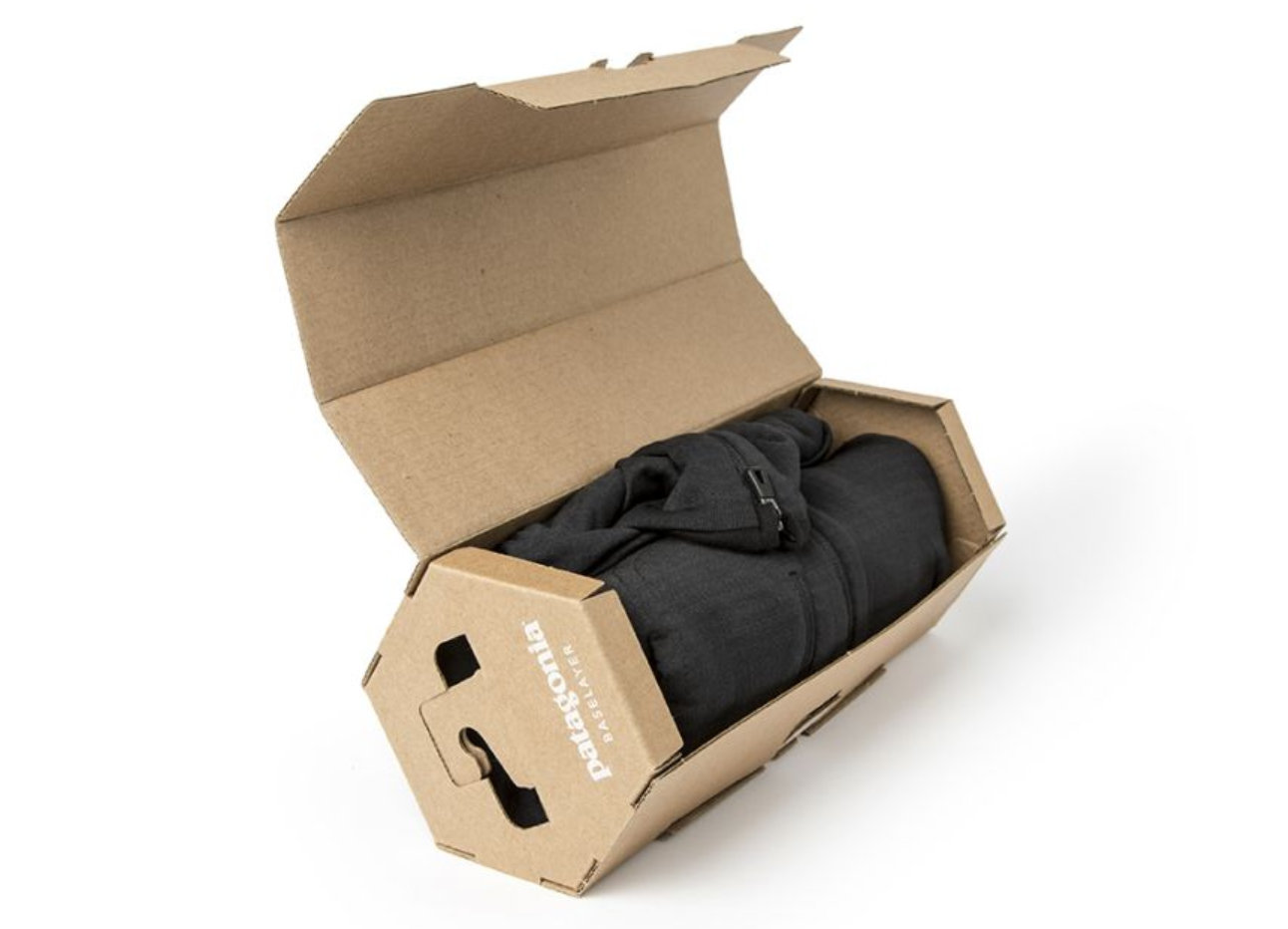
A better approach is to move away from the idea of "one box size fits all" and use a tiered range of box sizes instead.
For example, based on your product size range, you might develop three to five box sizes that fit the majority of your orders more closely, while handling unusually shaped products separately.
That requires reviewing the relationship between your product dimensions and your current packaging specifications, but the project is usually more manageable than it sounds.
The regulation has only recently entered into application. Many businesses are probably still waiting to see how the requirements will affect their operations. Brands that start optimizing their packaging sizes now may gain an early advantage—not only in compliance, but also in reducing unnecessary material use and improving the unboxing experience.