We're Lumepacking, a custom paper packaging supplier. We recently helped a US client through this exact testing process.
What Exactly Is CPSC Testing?
CPSC stands for the Consumer Product Safety Commission, the US federal agency responsible for enforcement. The actual law that specifies what must be tested, and how, is CPSIA (the Consumer Product Safety Improvement Act). In short: CPSC is the enforcer, CPSIA is the rulebook — clients often use the two names interchangeably, but they refer to the same overall system.
Which Countries Does CPSC Testing Apply To?
Only products entering the US market are covered — it doesn't matter where the product is manufactured, only where it's ultimately sold. If the same product is only sold in the EU or elsewhere, CPSIA doesn't apply, but those markets have their own equivalent frameworks (toys sold into the EU, for example, fall under the EU Toy Safety Directive and EN71 standards). A CPSC test can't be used as a substitute for another market's compliance requirements — the two systems are entirely separate.
Which Product Categories Need CPSC Testing?
The core test is whether the product is "designed or primarily intended for children 12 years of age or younger." Anything that meets that definition is legally a "children's product" in the US, and requires testing plus a Children's Product Certificate (CPC) — issued only by a CPSC-accepted third-party lab, not something a supplier can self-certify. A "General Certificate of Conformity" (GCC), based on the supplier's own reasonable testing program, only applies to ordinary products that aren't subject to a children's product safety rule.
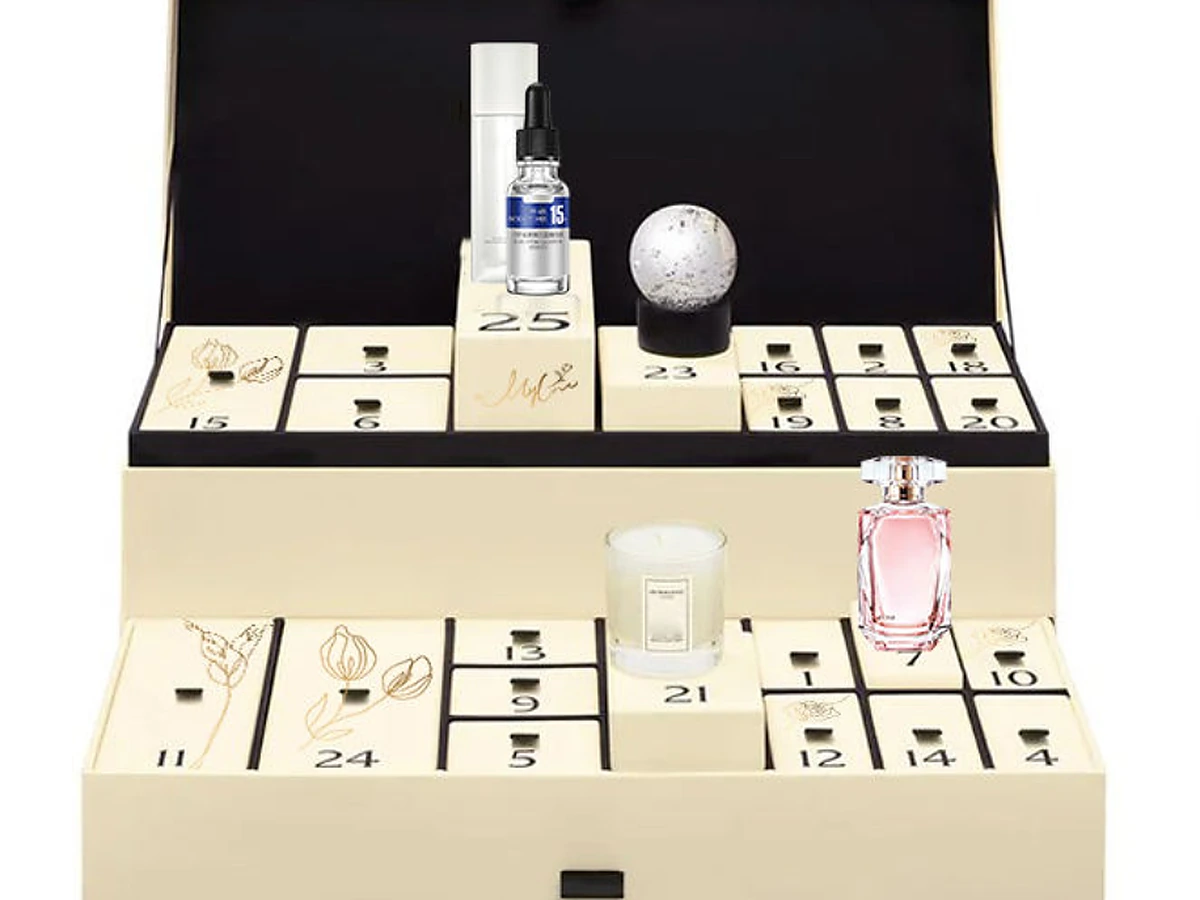
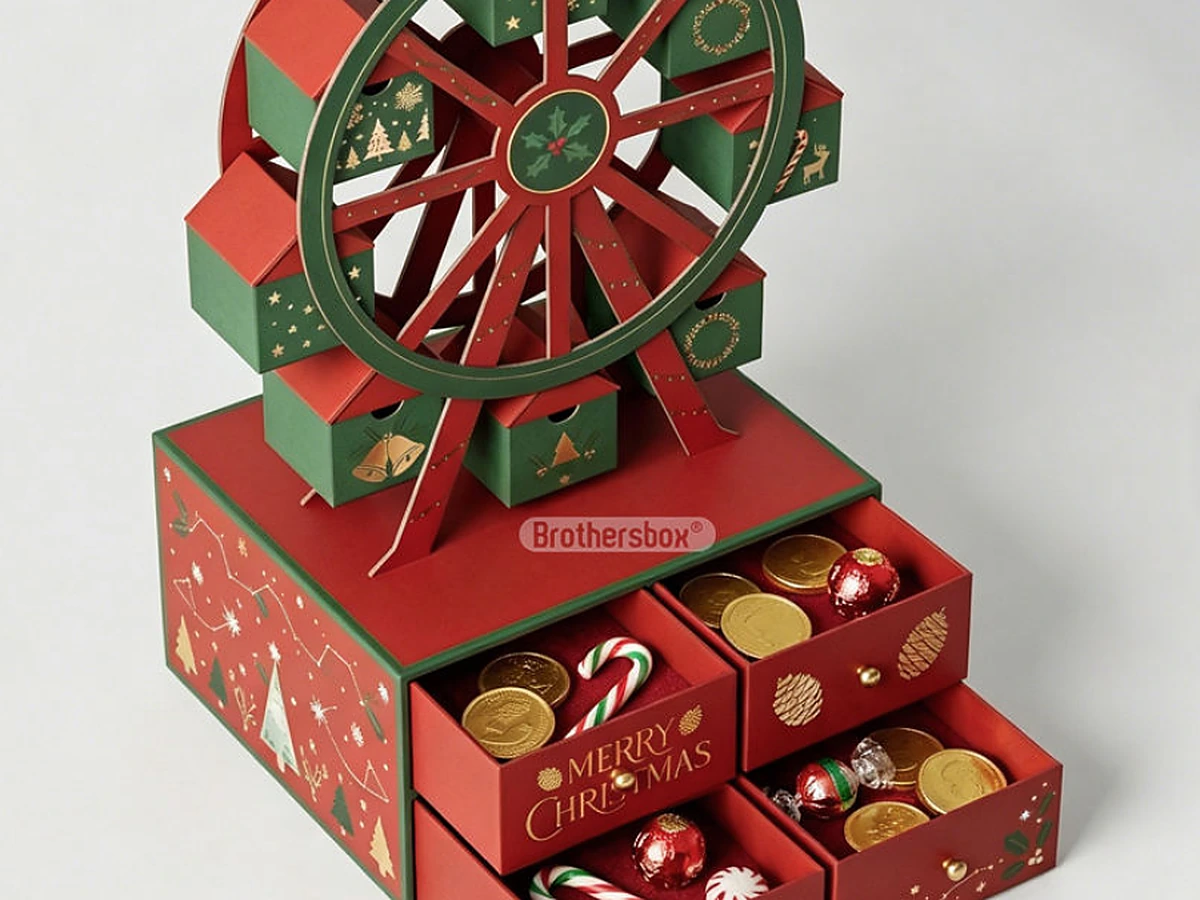
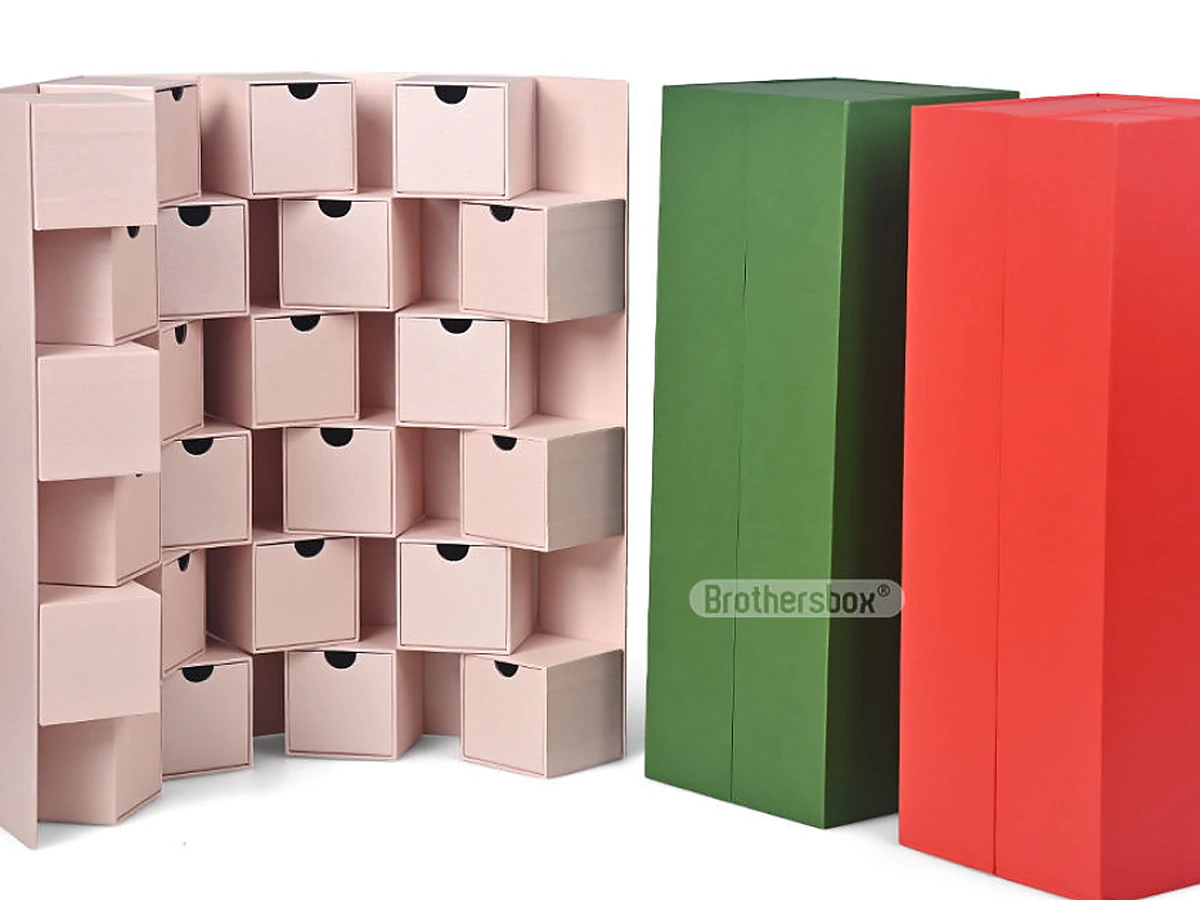
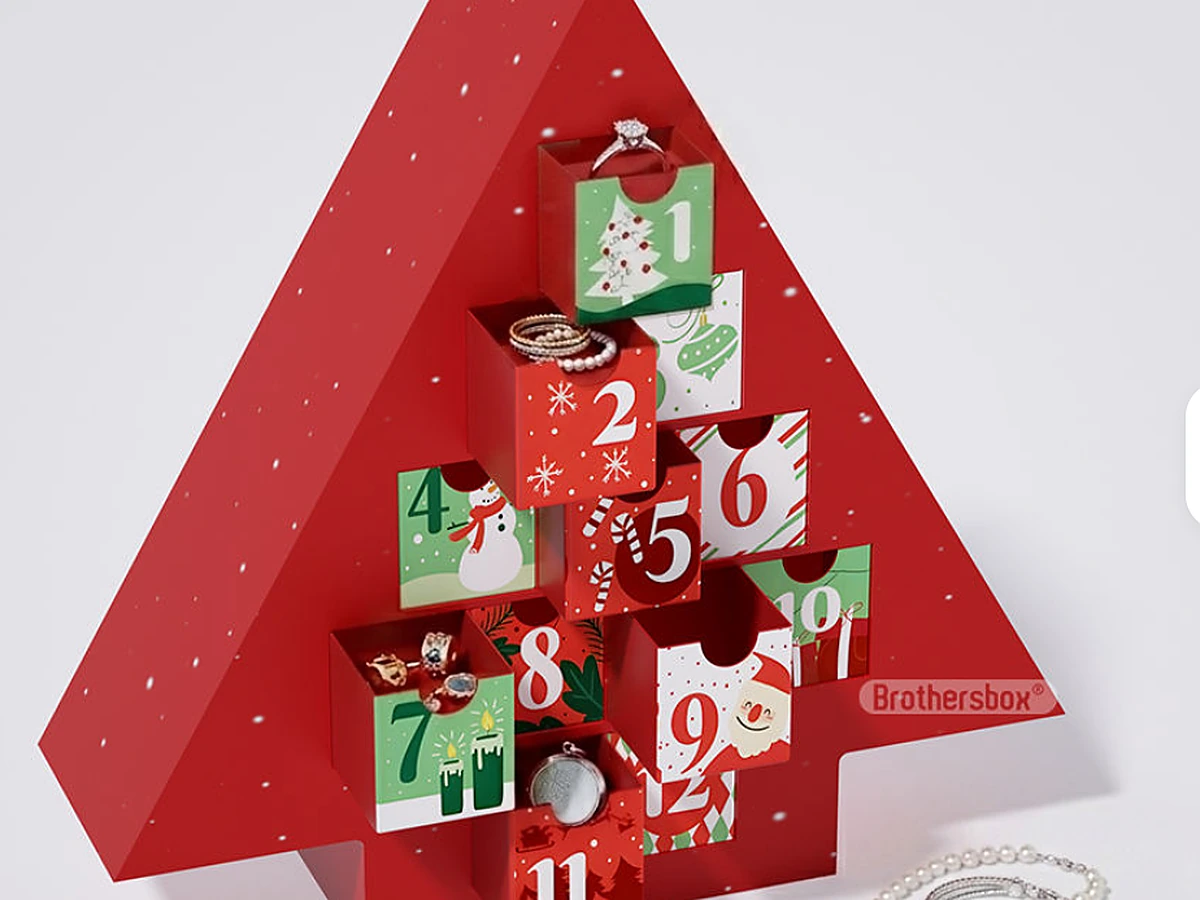
Here's a detail that's easy to miss, and it's exactly the situation in our client's case: something like an advent calendar packaging box, even though the word "packaging" is right there in the name, is something the child directly interacts with every day — opening a little compartment to retrieve an item. That makes it the product itself, not just an outer shell around something else, so it needs to be tested as a "children's product" in its own right, not just whatever small gift is inside it.
What Does CPSC Testing Actually Test For?
The main items are: total lead content (limit around 100 ppm) and lead in surface coatings specifically (a stricter 90 ppm limit); phthalates (commonly called "plasticizers"), capped at 0.1% in accessible plastic/PVC components; and, if the product has any detachable small parts, a small-parts/choking-hazard test aimed specifically at children under 3. Beyond the testing itself, the regulation also requires a permanent tracking label on both the product and its packaging, listing the manufacturer, batch number, and production date, so a specific batch can be traced quickly if a safety issue comes up.
How Much Does CPSC Testing Cost, and How Long Does It Take?
Cost mainly depends on how many materials are involved and how many test standards apply — the typical range is roughly $1,000 to $3,000 USD, trending higher for more complex products (say, one with paper, plastic components, and a coating all in the mix). A standard run takes about 5 to 7 business days for results; if something fails and needs retesting, that timeline stretches out.
How Long Does One Round of CPSC Testing Last? (This Is Where Most People Get It Wrong)
A lot of clients — including us, at first — assume that as long as the materials and supplier don't change, a single round of testing stays valid indefinitely. That's only half right. CPSC does require retesting whenever a material, component, manufacturing process, or supplier changes — that part is correct. But separately, CPSC also has an independent "periodic testing" requirement: even when nothing changes at all, the standard rule requires retesting at least once a year. Firms that put together a documented production testing plan can stretch that to once every two years, and using an ISO/IEC 17025-accredited lab can stretch it to once every three years. In other words, "same materials, same supplier, so it's good forever" isn't accurate — the most you can say is that unchanged materials and suppliers won't trigger an extra round of testing on their own. The regular annual retest clock keeps running regardless.
A Final Note on CPSC Testing
If your product is headed for the US market and is primarily designed for or used by children 12 and under — whether you call it a toy, a gift box, or something else entirely — and a child interacts with it directly, it almost certainly needs to go through CPC testing, and you'll want to keep an eye on the periodic retesting schedule afterward rather than treating it as done and dusted. If you're not sure whether your product counts as a "children's product" or needs testing, send us the details and we can help you figure it out.
Sources:
- CPSC.gov, "Children's Product Certificate" — https://www.cpsc.gov/Business--Manufacturing/Testing-Certification/Childrens-Product-Certificate
- eCFR, 16 CFR 1107.21 "Periodic testing" — https://www.ecfr.gov/current/title-16/chapter-II/subchapter-B/part-1107/subpart-C/section-1107.21