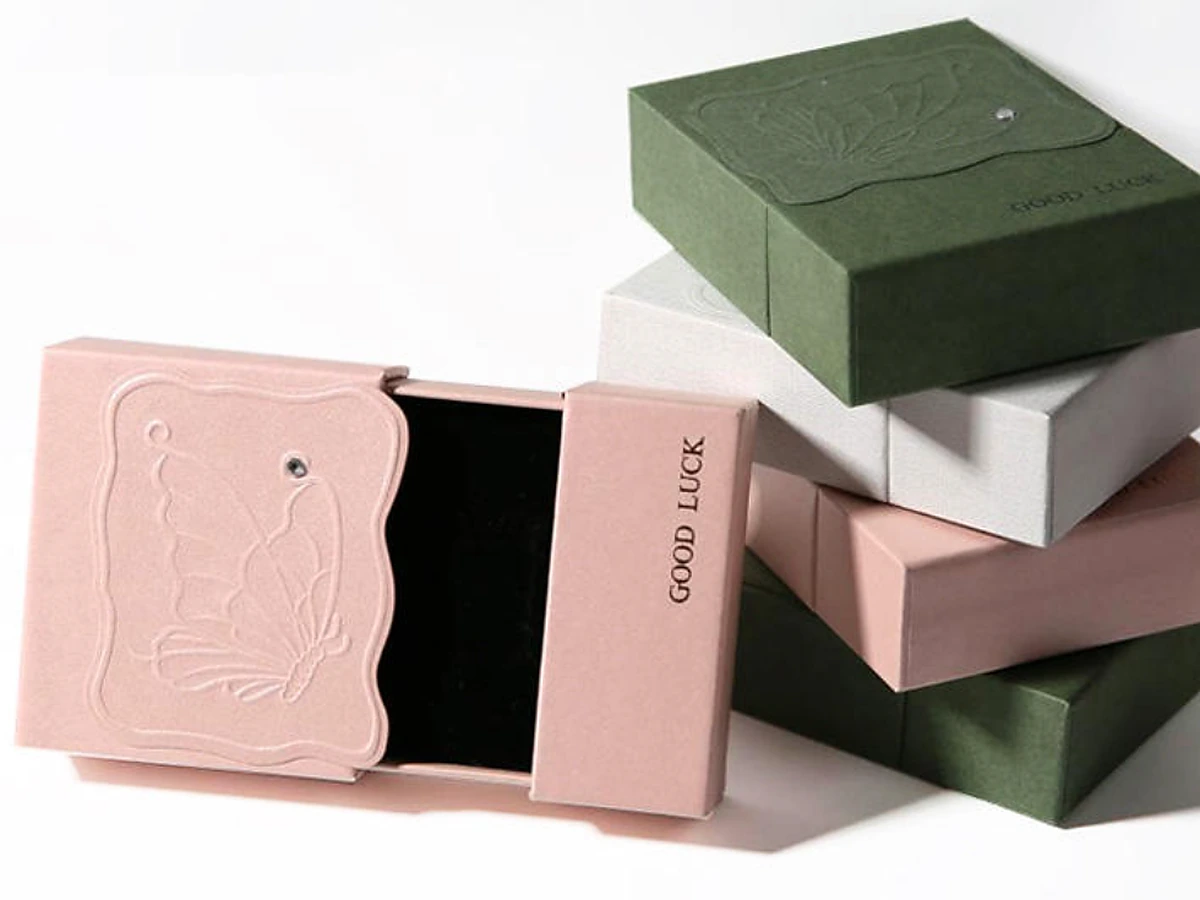
Why It's Worth Designing Separate Packaging for Promotional Periods
Platform-wide price promotions almost always follow the holiday calendar — Black Friday, Christmas, Valentine's Day, Mid-Autumn Festival. Rarely does a platform run a major sale on an otherwise unremarkable Tuesday. There's a pattern behind this: the categories that sell best during holiday promotions tend not to be everyday necessities, but gift-oriented items — food gift sets, jewelry, tea, mooncakes, and increasingly, holiday foods that originated in one cultural context but are now being picked up elsewhere as "something a little different" to give as a gift.
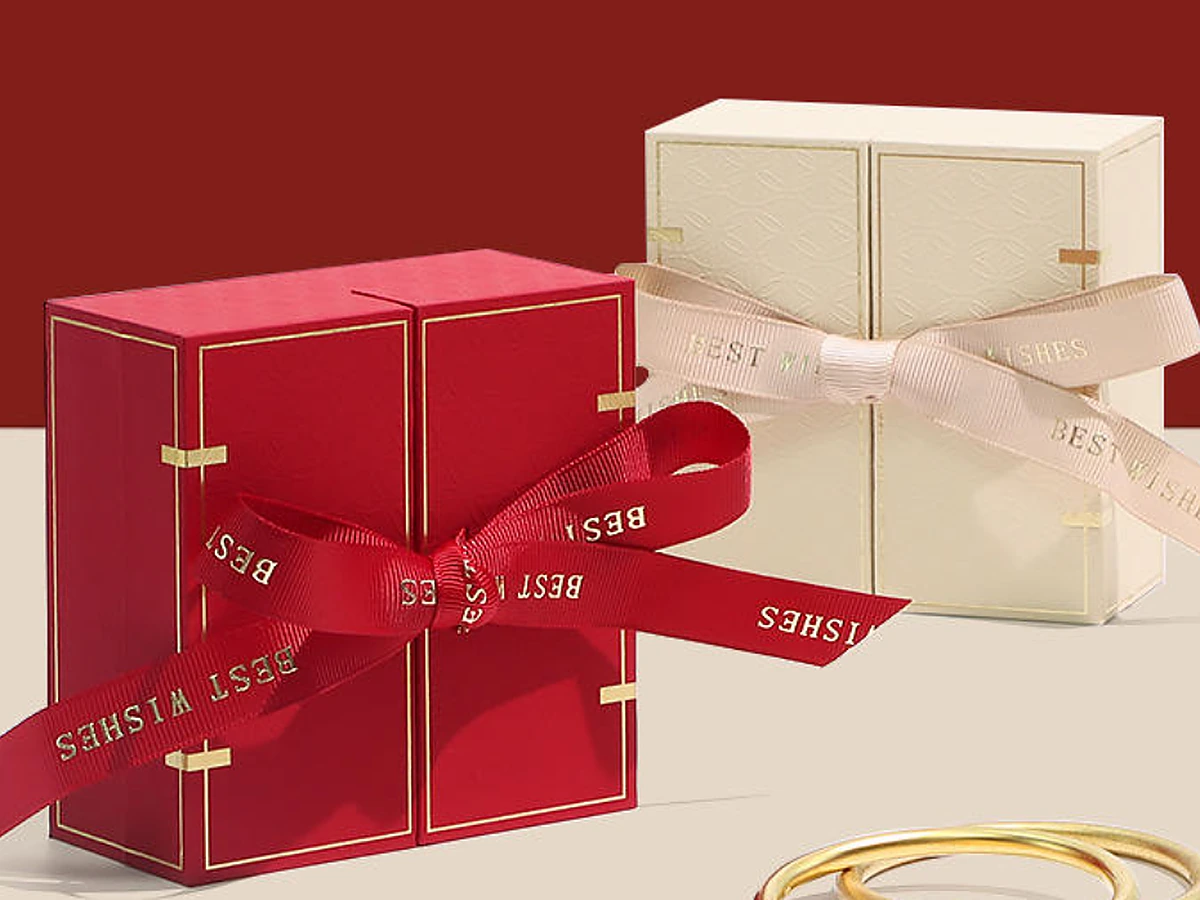
That distinction matters, because it changes the buyer's intent for that batch of orders. On a normal day, packaging's job is mostly to protect the product. During a promotion, when someone's buying a gift, the packaging itself becomes part of whether the gift feels worth giving — and the buyer is often going to hand that box directly to someone else. If the packaging looks cheap, the giving experience takes a hit even if the product inside is perfectly fine.
So our recommendation is straightforward: if your promotional products have any gift-giving intent behind them, it's worth designing packaging that's distinct from your everyday line, rather than running the same packaging year-round for every scenario.
Case Study: How We Built a High-End-Looking Promotional Package for a Latvian Client at a Lower Cost
We recently worked with a jewelry client based in Latvia who wanted packaging specifically for the promotional season. His brief was direct: it needed to look distinct from his everyday jewelry packaging, look premium, and cost less than his usual setup — a classic "better result, lower budget" ask.
Rather than solving that with more expensive materials, we approached it from three angles.
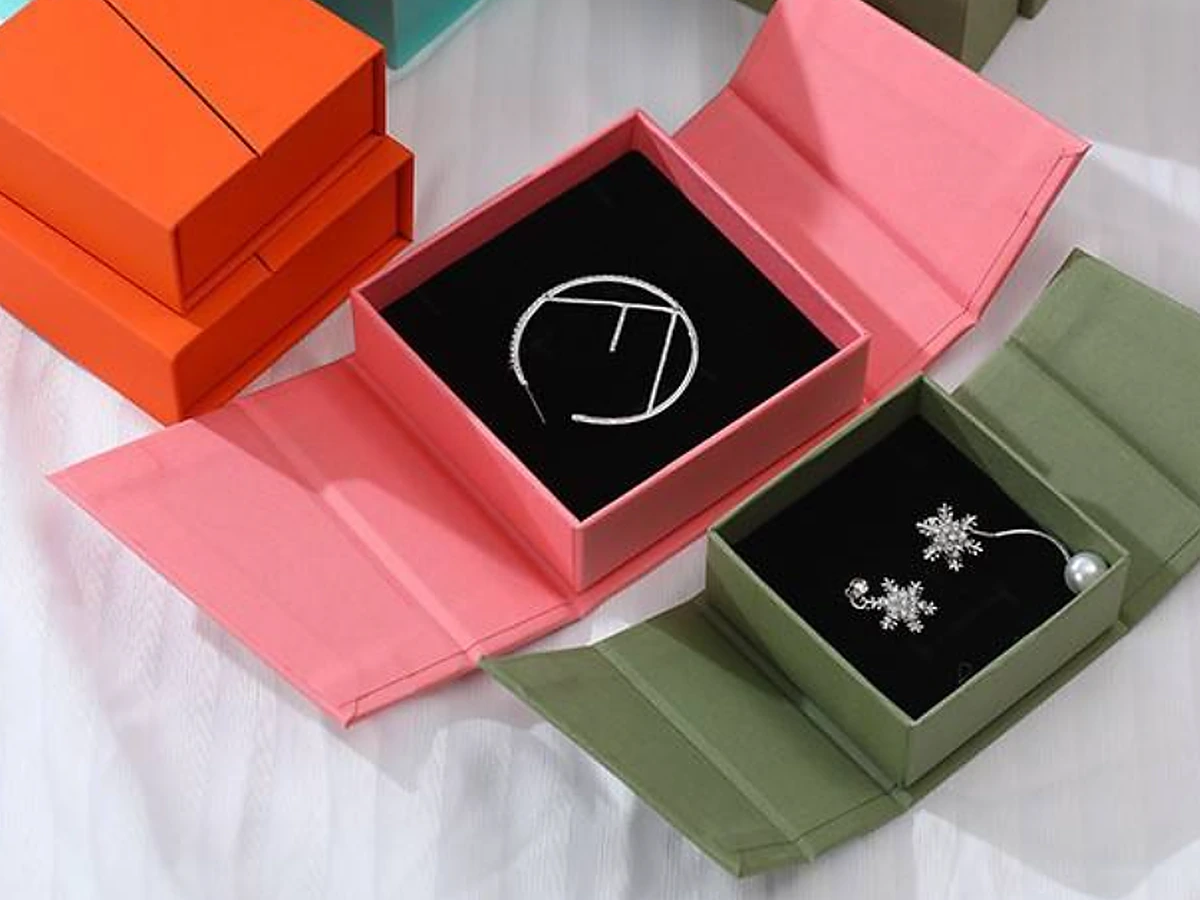
First, we went with a foldable structure instead of a rigid, pre-formed box. Foldable boxes are cheaper to produce on their own, but the bigger win is in shipping — they pack flat, taking up far less volume than a rigid box, which meaningfully cuts freight costs. That savings gave us room to invest elsewhere.
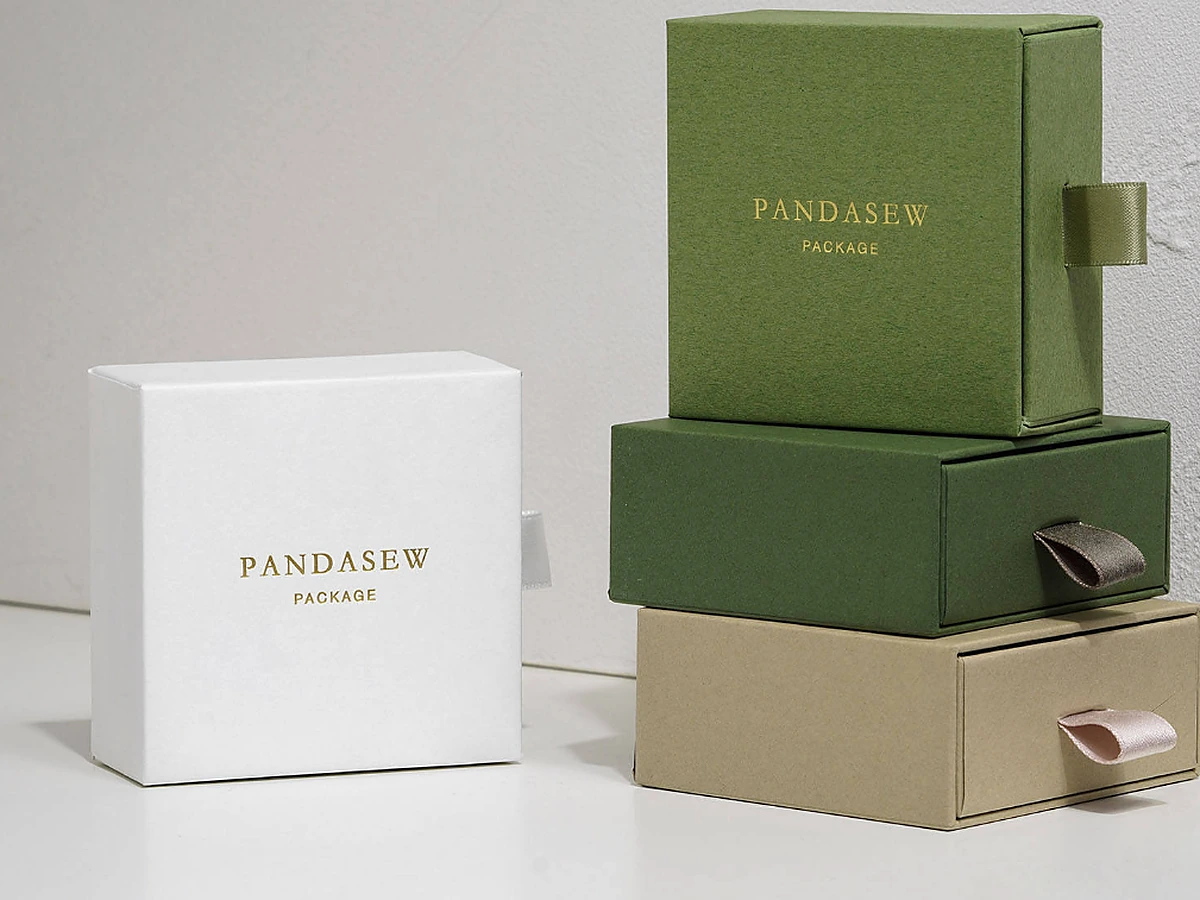
Second, on materials, we used a specialty paper stock rather than trying to build a premium feel through thicker paper or heavier foil work. Specialty papers carry their own distinctive texture and hand-feel, which noticeably lifts the perceived quality without meaningfully raising cost — the same logic we've written about before: smart material and design choices tend to beat simply piling on more expensive materials.
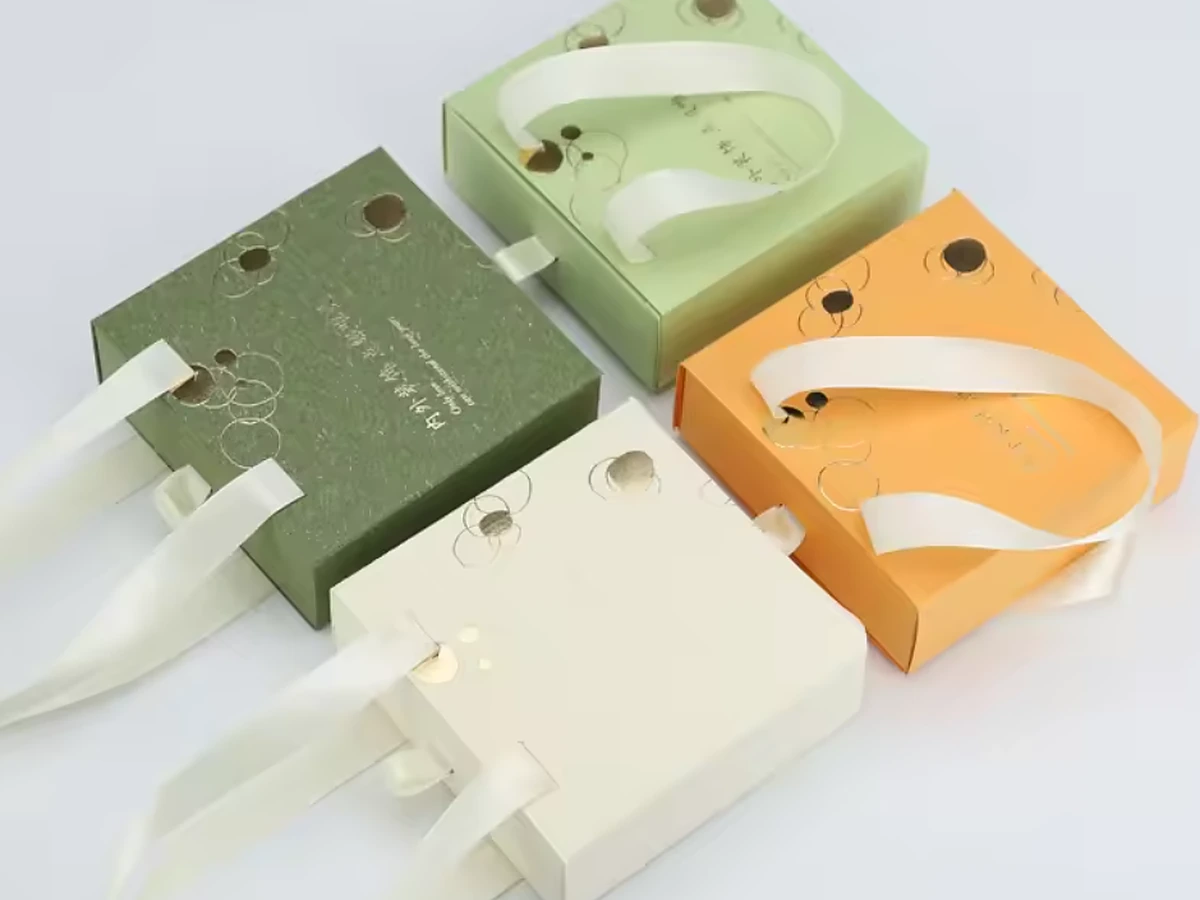
Third — and this was the interesting part — we added a ribbon carry handle to the box. Standard jewelry boxes typically don't have one, but the promotional-season use case is different: a buyer might carry that gift box straight into a physical store, or walk around with it before handing it off as a gift. A handle makes it easy to carry, matches how people actually use a promotional gift purchase, and instantly sets the box apart from the everyday line at a glance.
You can see the actual finished product we built for this client here: Foldable Necklace Gift Bag with Ribbon Handles.
If You're Planning Custom Packaging for an Upcoming Promotion
Start by asking one question: are buyers more likely to keep this promotional item for themselves, or give it away? If gifting makes up a meaningful share of your promotional sales, dedicated packaging is usually worth the investment. Rather than jumping straight to pricier materials, look first at whether the box structure itself can be optimized (foldable designs often save significantly on freight), whether there's a different material that adds texture without adding much cost, and whether a small design detail — a handle, an unusual opening mechanism — could make the packaging fit how people actually use it during a promotion. These levers usually deliver more for the money than simply upgrading paper stock or piling on finishing techniques. If you're planning holiday packaging and want to talk through the specifics, reach out to Lumepacking directly.