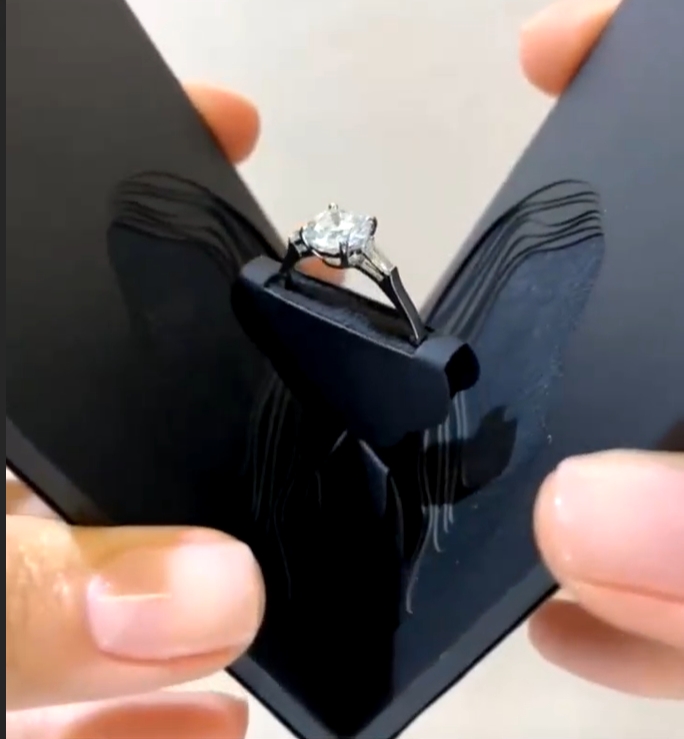
A recent American client I worked with deals in zircon and diamond jewelry. The units are quite expensive, so the packaging absolutely couldn't look cheap—this was his strict requirement. After all, nobody wants to spend a lot of money on jewelry only to open a shabby box. However, he was also well aware that similar attractive packaging on the market wasn't cheap, and the prices for the designs he liked were all beyond his budget. He was torn between "looking good" and "keeping to his budget," and hadn't placed an order yet.
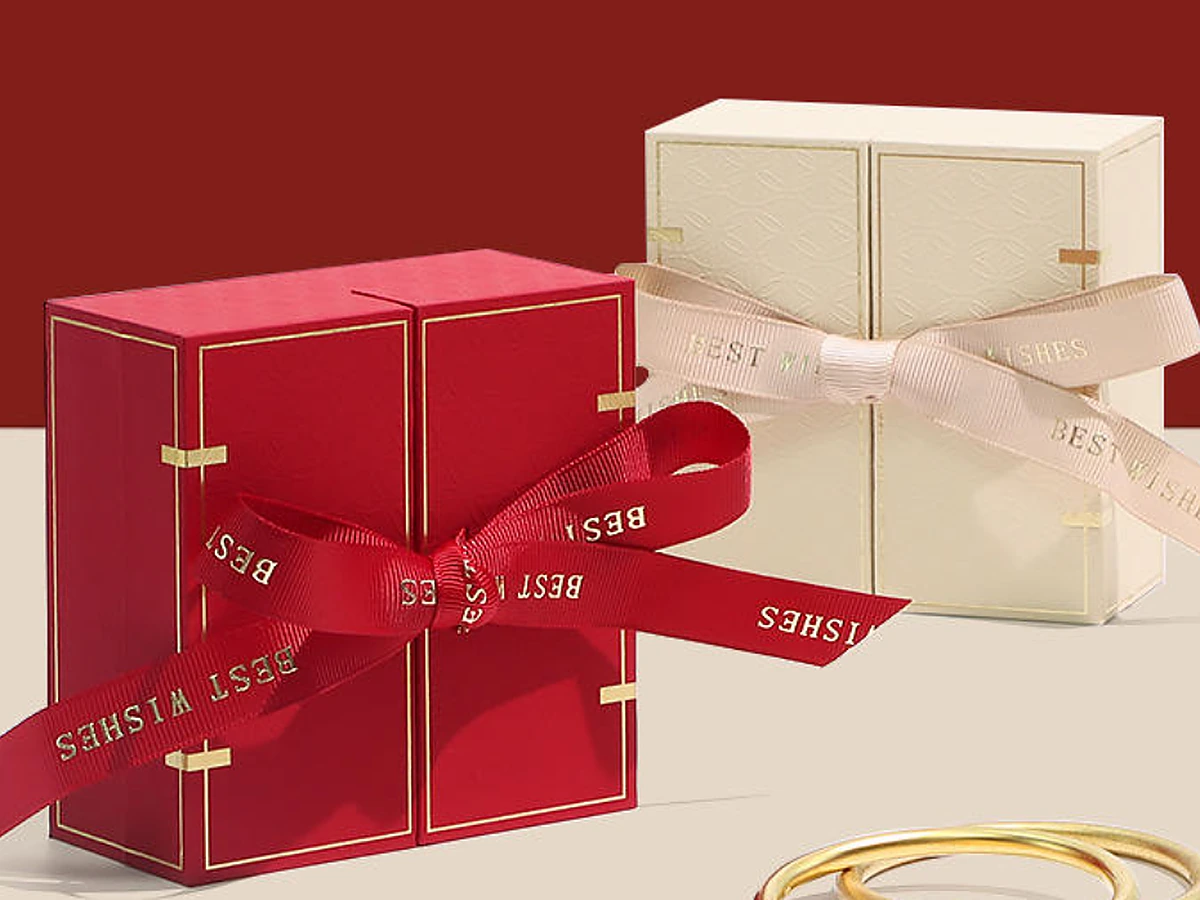
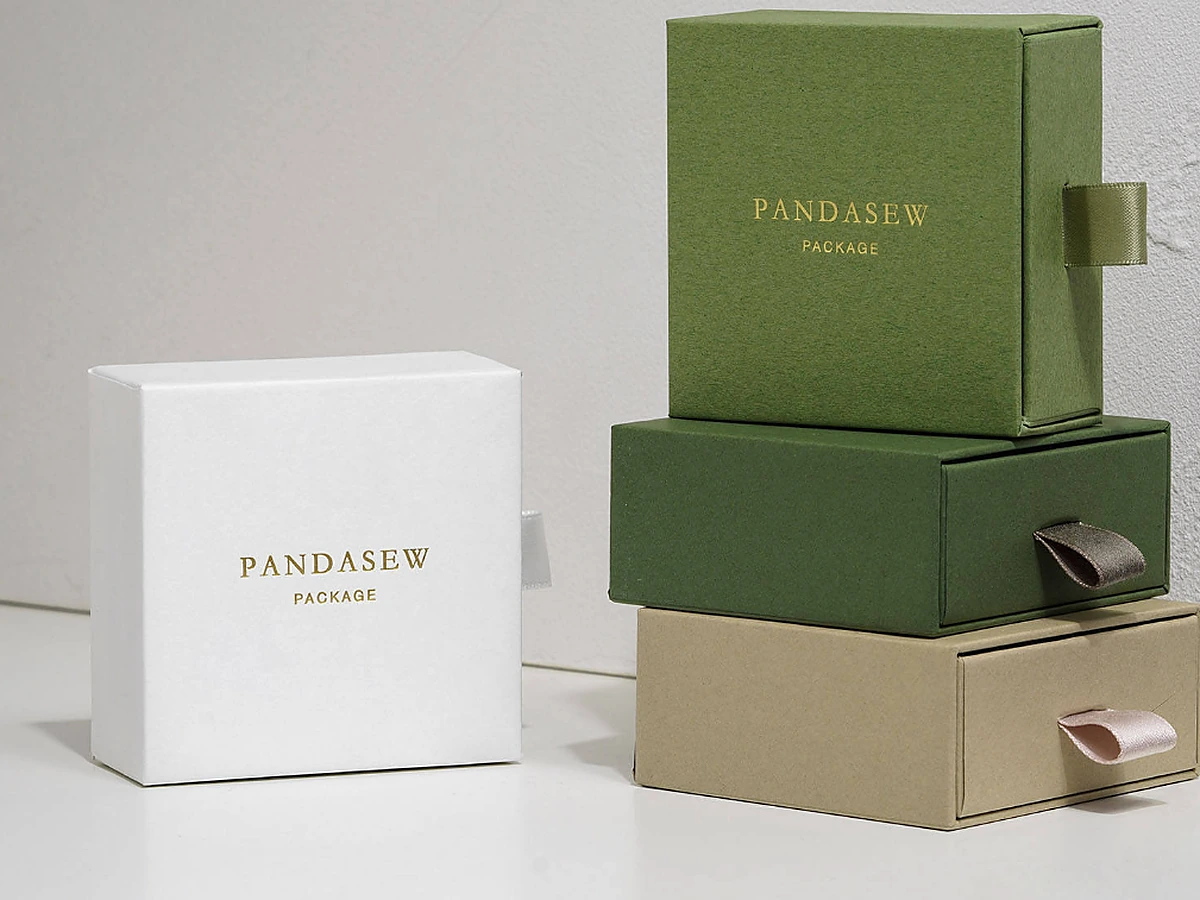
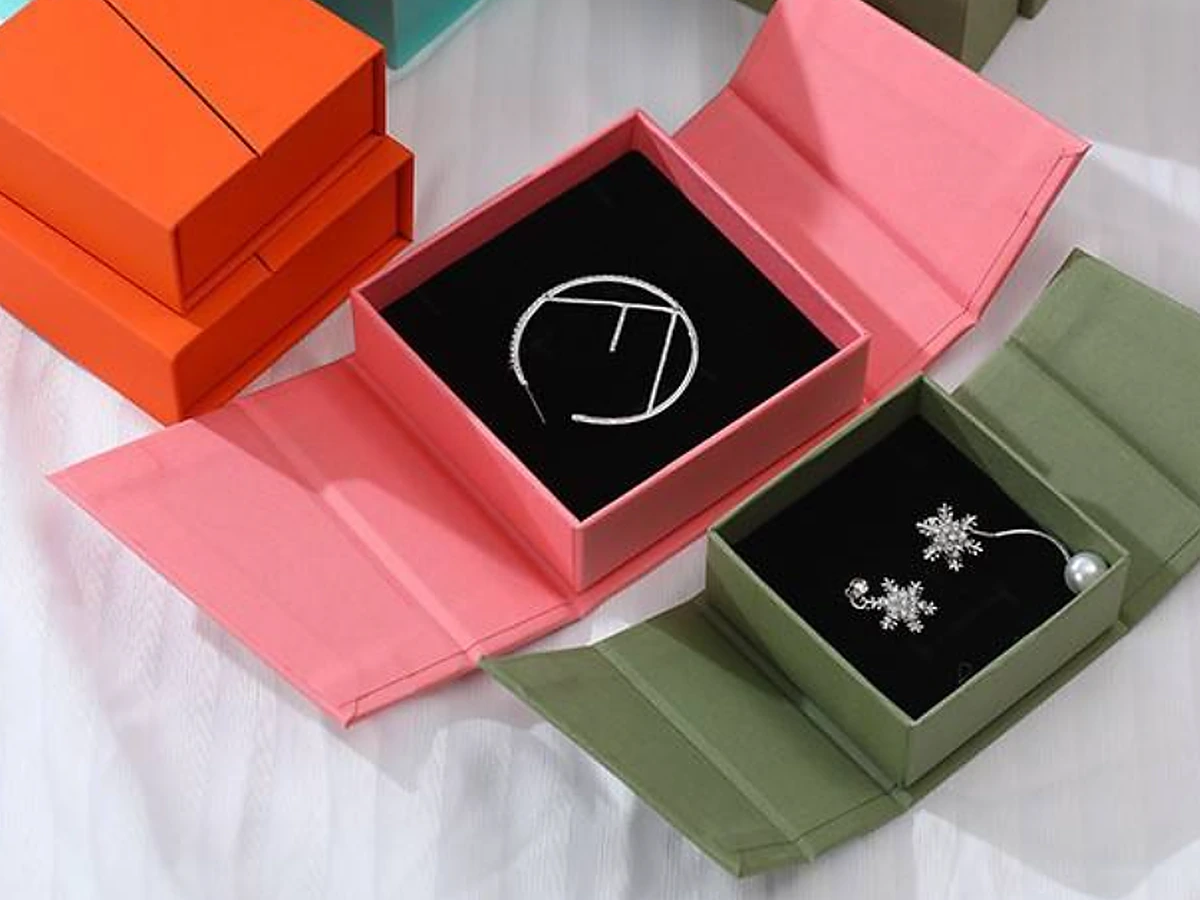
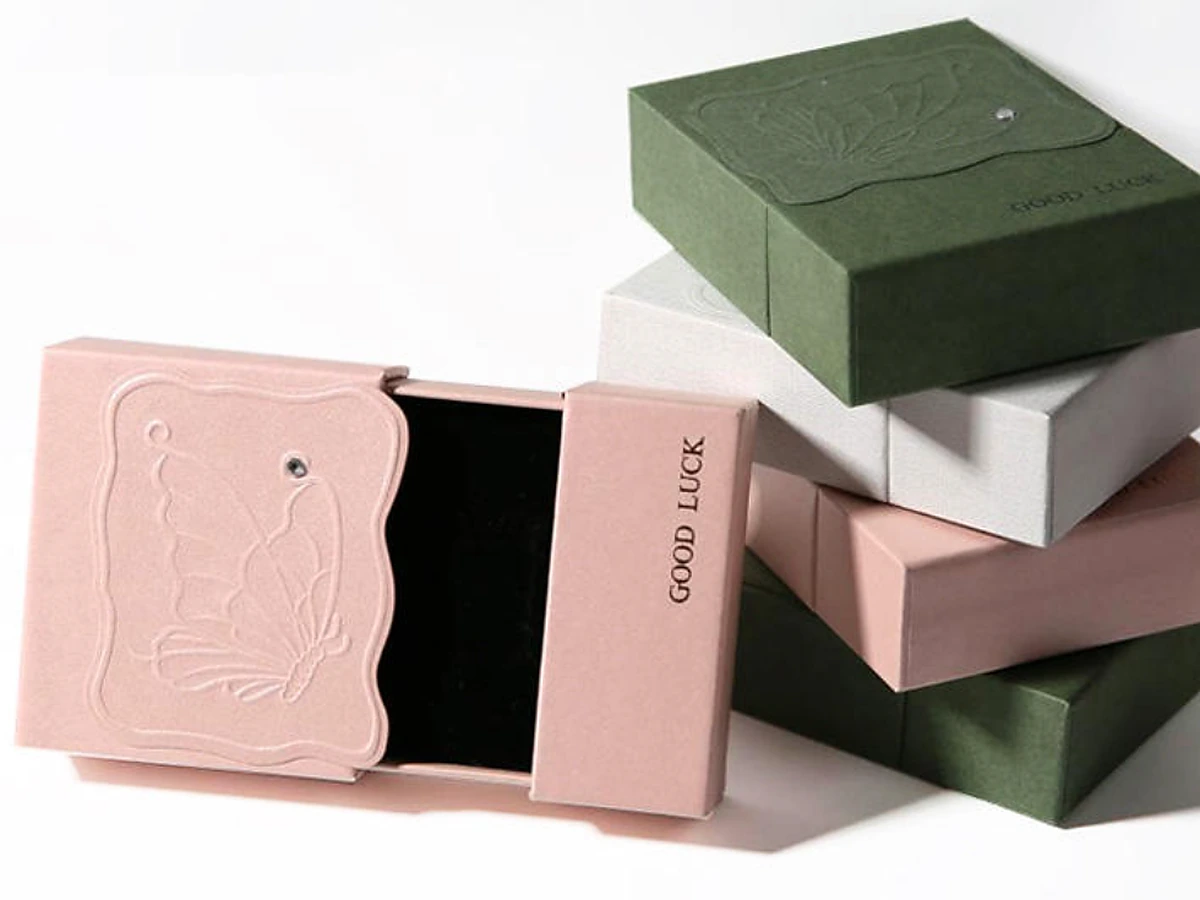
We didn't directly argue with him about the budget regarding materials and craftsmanship. Instead, we changed our approach and recommended three packaging designs with an interactive design theme. The core selling point wasn't the thickness of the paper or the exquisite gold foil stamping, but rather the specially designed opening method. This made the act of "opening the box" itself a small, ritualistic experience, coupled with restrained yet eye-catching color schemes and structural lines. Finally, he selected one design, priced within his acceptable, relatively low range. The materials used were all standard specifications, without any expensive processing. Judging from the subsequent market feedback, consumer reactions to the unboxing experience were very positive, achieving his initial goal of "not looking cheap"—and this success was due to structure and creativity, not budget.
Why structural design can save money on materials: Only those who understand packaging can do the math.
Many brands have a default formula in mind when looking for packaging suppliers: to make packaging look high-end, you have to spend money on materials and processes—use thicker, better paper, add a layer of gold foil, do embossing, the higher the budget, the more expensive the packaging looks. This formula worked for a long time, but it rigidly ties "high-end feel" to "production cost." Brands with slightly tighter budgets are forced to choose between "packaging looking cheap" and "cost overruns."
But materials and processes are never the only variable determining the appearance of packaging, or even the most important one. The act of opening a package is itself a crucial moment for consumers and brands to create a memorable experience. If the opening method is a conventional flip-top or pull-out, no matter how exquisite the printing on the outside of the box, the experience itself lacks memorability. However, if the structure is cleverly designed—the folding and unfolding mechanism creates a subtle "unveiling" feeling, or the unboxing itself requires an action or interaction—consumers will naturally feel that the packaging is "thoughtful." This feeling has almost nothing to do with paper weight or whether there's gold foil stamping; it's purely due to the structural design, and the cost of structural design is often much lower than piling on materials and processes. The same principle applies to visuals and interaction: an eye-catching color scheme or a graphic design that makes people want to look twice can also be achieved without relying on expensive materials; it's more a matter of design ability than budget.
This isn't the first time we've done this.
In the past two years, we've also been adding more advanced interactive elements to our packaging, such as trying to embed NFC chips into the packaging, allowing consumers to trigger a brand story or product information by tapping their phones, and even exploring some lighter AI interactive content. These approaches don't significantly increase material costs, but the resulting memorable experience is something that's difficult to achieve simply by "using good paper and hot stamping." This is because they give consumers a reason to actively participate, rather than just passively glancing at the packaging. The case of the American client mentioned earlier isn't the first time we've used the "trading structure and creativity for material costs" approach to help clients resolve the conflict between budget and perceived quality—this is a proven method we've repeatedly validated over the years in custom packaging development, not a spur-of-the-moment idea.
We also want to clarify when this approach doesn't apply.
This approach isn't a universal formula. If the product itself is purely luxury-oriented, and the materials (such as genuine leather and metal components) are part of the product's value narrative, then saving on materials can weaken the brand's image. In this case, piling on materials remains the right choice. This approach of "using structure and creativity to replace material costs" is more suitable for brands whose products have a certain perceived value but whose budgets don't reach the level where "the materials themselves are a selling point"—like the client mentioned earlier, whose product unit price is not low, but who wants to control the packaging budget. This is the scenario where structural design can truly demonstrate its cost-effectiveness. If you are unsure which approach is suitable for your product, we suggest clarifying your budget and product positioning first, and then making a judgment together, rather than applying the same solution.