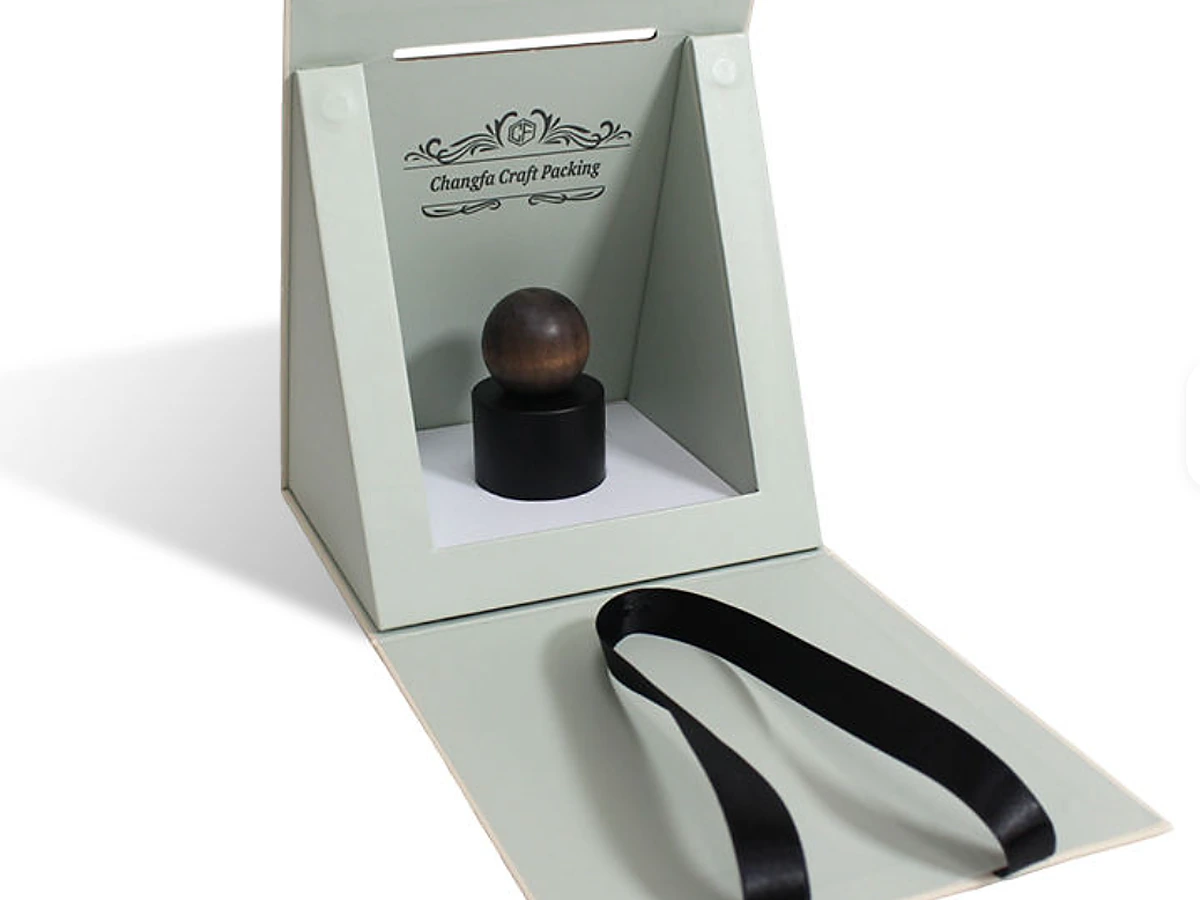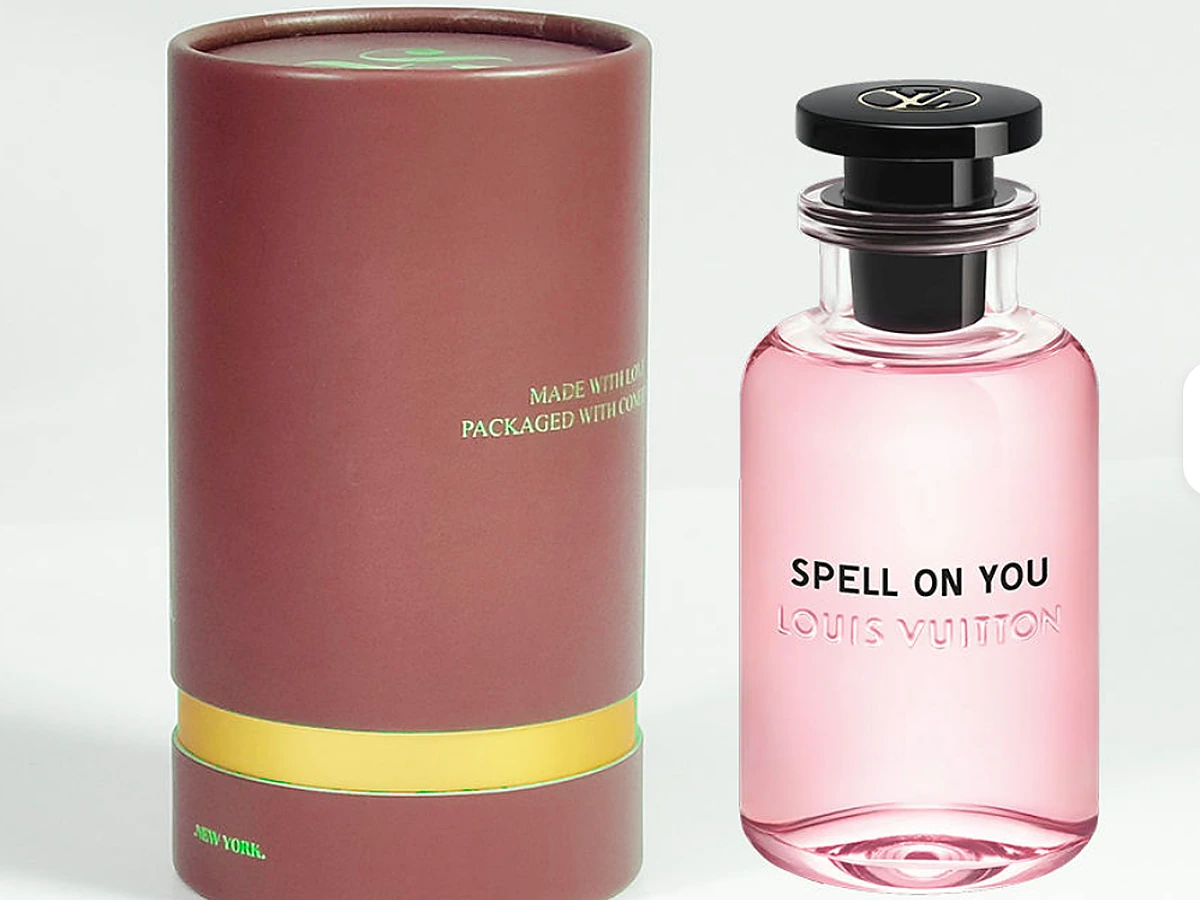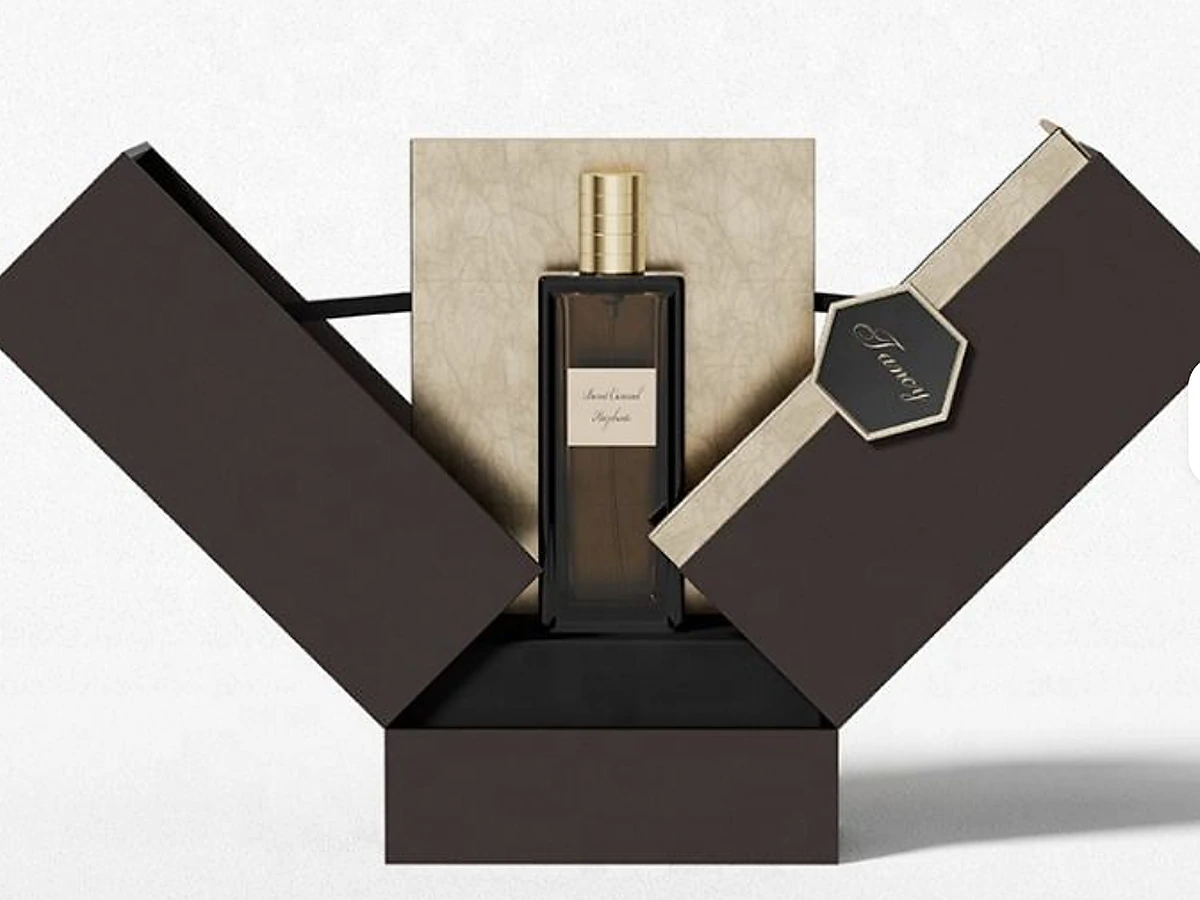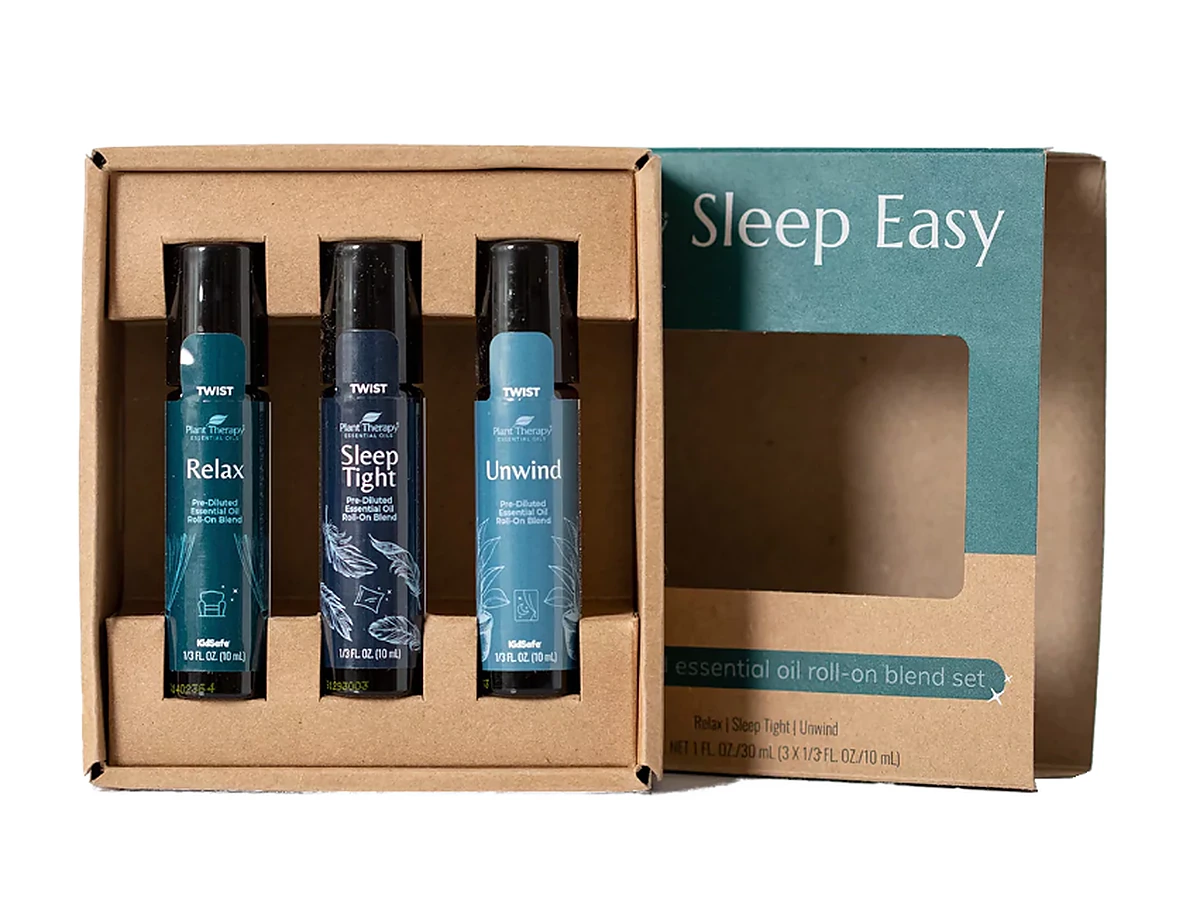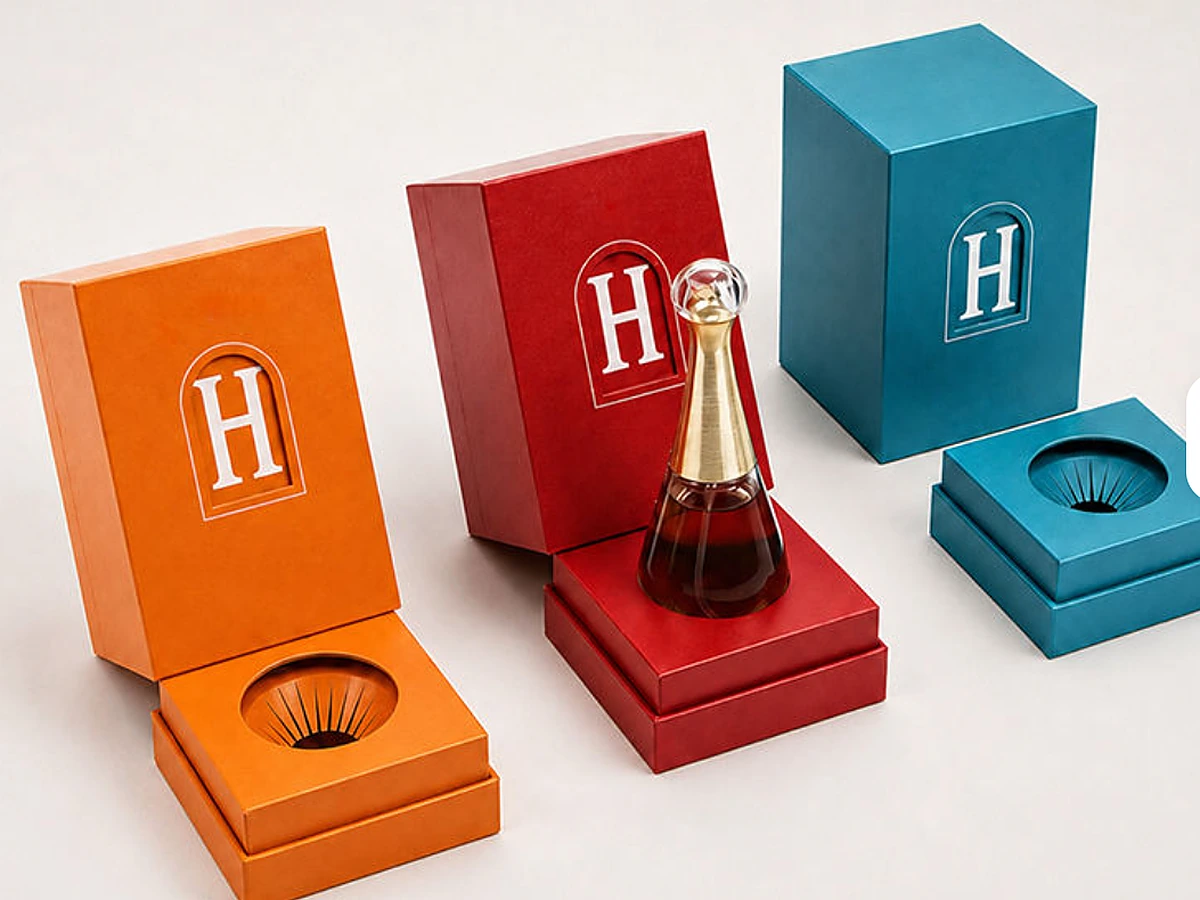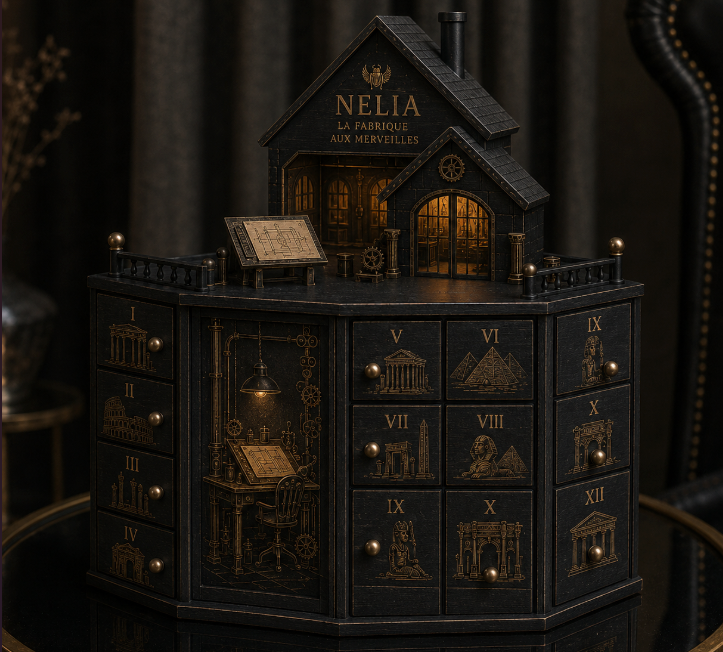
AI-generated images are showing up earlier and earlier in client conversations. Instead of describing "something a bit more premium" in words, clients now just send a picture. Whether that picture can go straight into production depends on which of the following three situations it falls into.
Case 1: The image already shows a paper-product shape and communicates the style and creative direction
In this case, the image is 100% usable — but only as a reference, not as a production file. Turning it into something that can actually be manufactured still requires our designers to rebuild it from scratch: print-ready artwork, foil-stamping artwork, and artwork for any other finishing process. AI cannot generate these directly today. This isn't just our own experience talking — industry reviews of packaging-specific AI tools reach the same conclusion: general-purpose tools like Midjourney or DALL-E produce "pretty pictures" that lack the structural data packaging production actually needs — panel lines, fold lines, cut lines, glue tabs, bleed areas. Even packaging-specific AI tools that do generate dielines still need a human designer to verify die-cut tolerances before the file goes to production. The commonly cited industry split is that AI handles roughly 80% of the creative and structural work, while the remaining 20% — print specifications, Pantone matching, press-ready preparation — still requires a human. That roughly matches what we see in practice.
Case 2: The image shows a non-paper material (wood, plastic, etc.), but the client wants a paper version
The odds of pulling this off are fairly good — around 80%–90%. The reason is that modern molded-pulp (paper-molding) techniques can now get close to the structural rigidity of wood or plastic, and paper itself carries a range of distinctive textures that can convincingly mimic a wood-like or plastic-like feel, at a fraction of the cost. Industry sources back this up too: wet-press molded pulp can achieve a look and feel "similar to high-quality rigid boxes," with finish options like smooth, linen-textured, matte, or embossed surfaces to hit a premium look — and this technique is already being used in categories including perfume bottles, electronics, chocolate, and jewelry. That last category lines up exactly with one of our recent French clients: he sent us a wood-packaging reference image, but because his order quantity was small, wood would have been too expensive at that volume — switching to paper got him the look he wanted at a much lower cost.
Case 3: The image communicates the idea, but doesn't match the real-world use case
This usually shows up as a size or structural mismatch — AI has no way of knowing your product's actual dimensions, how it opens and closes, or how it needs to be held in place inside the box. This is where someone with real packaging experience needs to adjust the dimensions or structure to fit how the product will actually be used — otherwise you end up with something that looks great in a render but doesn't work in practice.
Bottom line
An AI-generated image is a perfectly good tool for communicating an early-stage idea — don't assume "this can't be made." Outside of a small number of genuinely unbuildable extreme designs, most ideas that start as an AI image can be made real; they just need a professional to translate and adjust them along the way. Both of our recent French clients started the conversation with an AI-generated image, and both ideas were realized with results they were happy with. If you have an AI reference image you're not sure about, just send it over and we'll tell you.
Sources (for your own verification / citation):
Cubit Packaging, "AI Packaging Design: 7 Tools Tested (Only 1 Makes Dielines)" — https://www.cubitpackaging.com/blog/ai-packaging-design-complete-guide