For children's products exported to the US, the step that most often holds things up is the CPC certificate. Lumepacking recently completed CPC testing and certification for a children's packaging product. This article uses that experience to explain the requirements, process, cost and common mistakes of the CPC.
CPC certificate: key figures
- 7 items: the information items a CPC must contain.
- 8 July 2026: the US begins requiring CPC data to be filed electronically in the ACE system.
- 100 ppm: the limit for total lead content in accessible parts of a children's product; the limit for surface coatings is 90 ppm.
- At least once a year: children's products in continuous production need periodic retesting.
What is a CPC certificate
A CPC (Children's Product Certificate) is the US compliance certificate required for products designed or intended for children aged 12 and under.
A CPC is issued by the US importer or domestic manufacturer, based on a test report from a third-party laboratory accepted by the CPSC. The laboratory issues a test report, not the CPC itself.
Which packaging needs a CPC
Ordinary shipping packaging and retail outer boxes are generally not children's products.
If the packaging itself will be used or played with by children, it may be treated as part of the children's product and be tested together with it. Common examples:
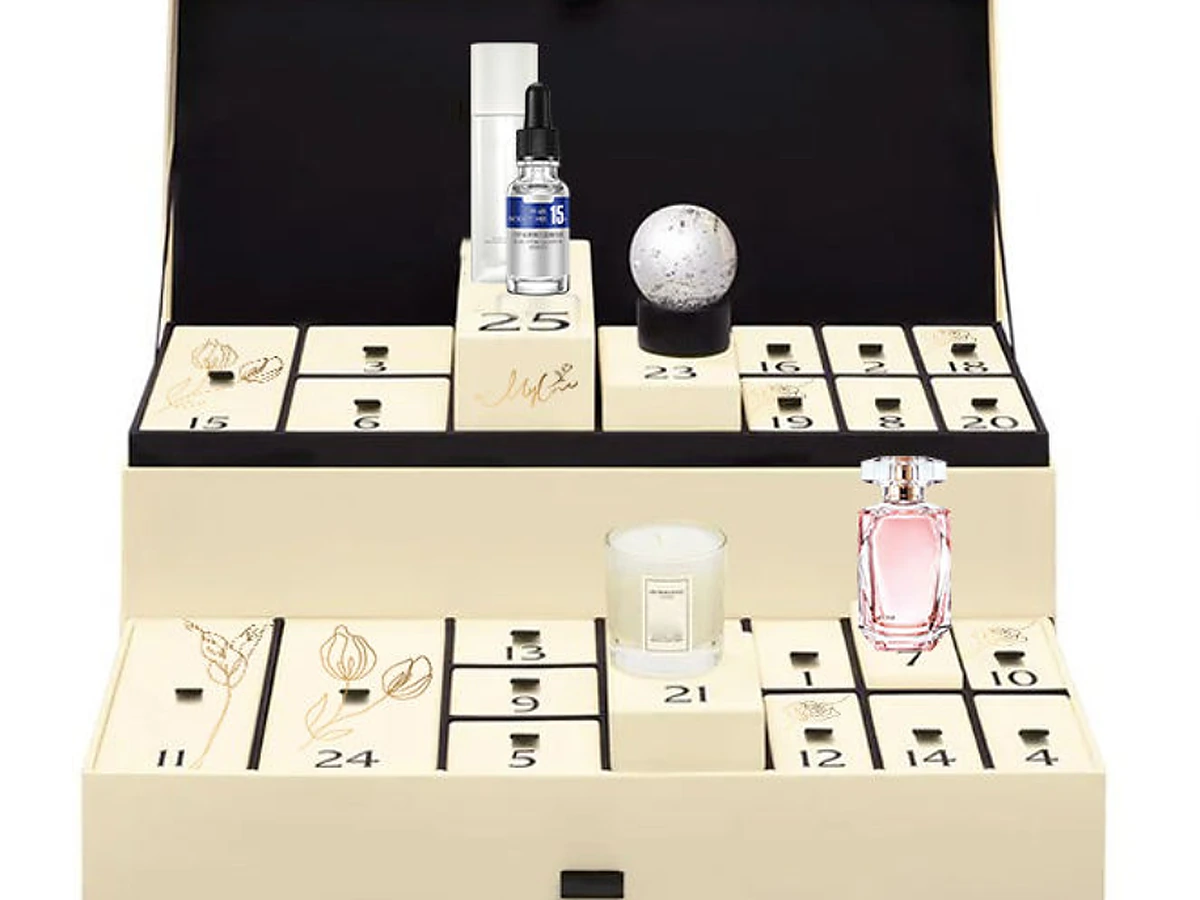
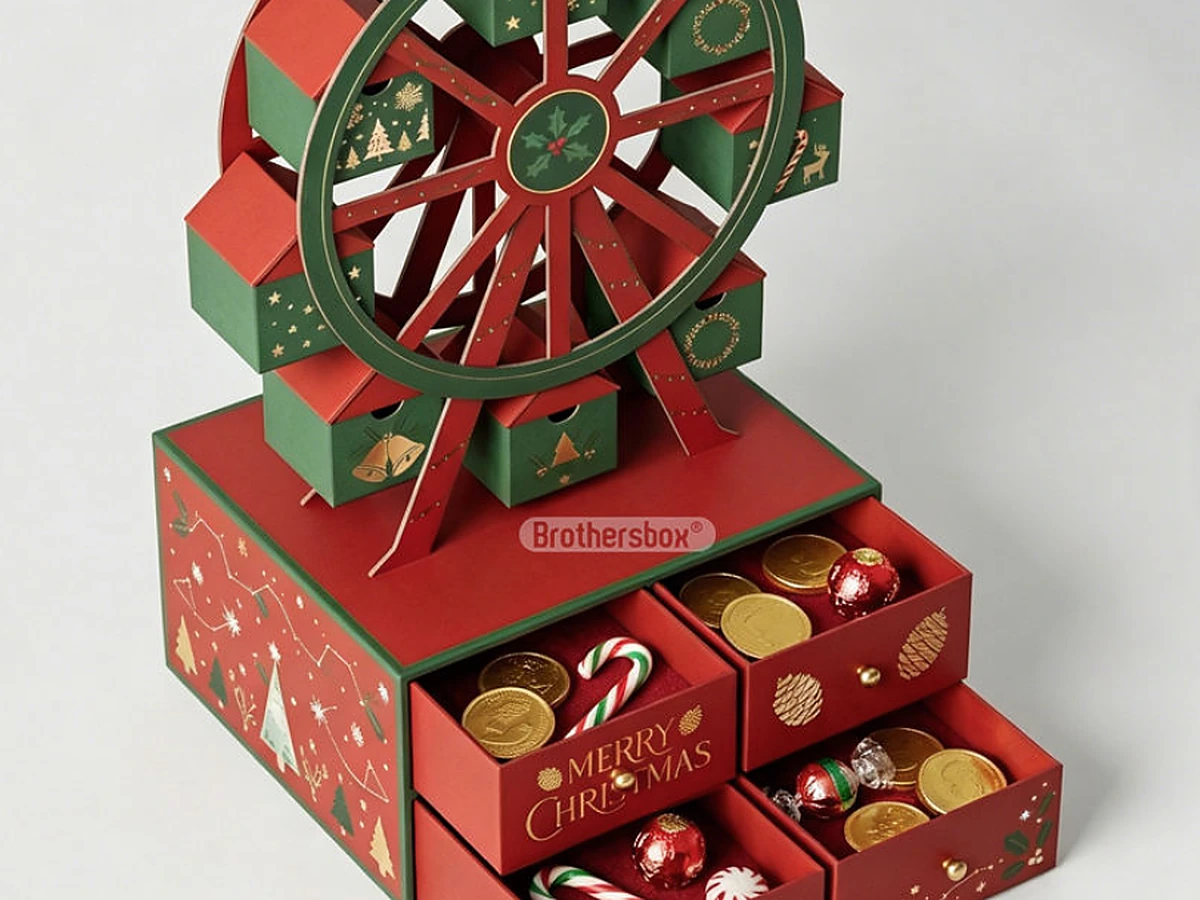
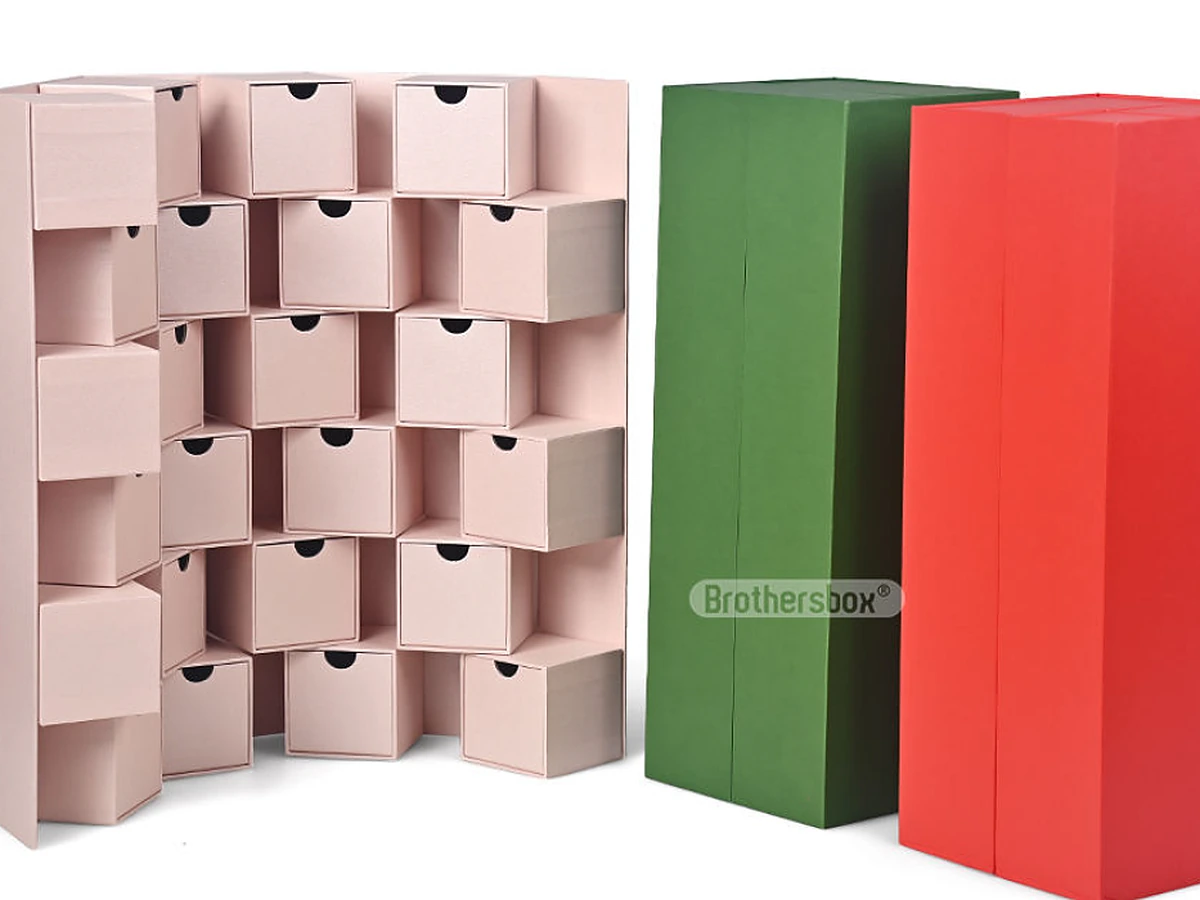
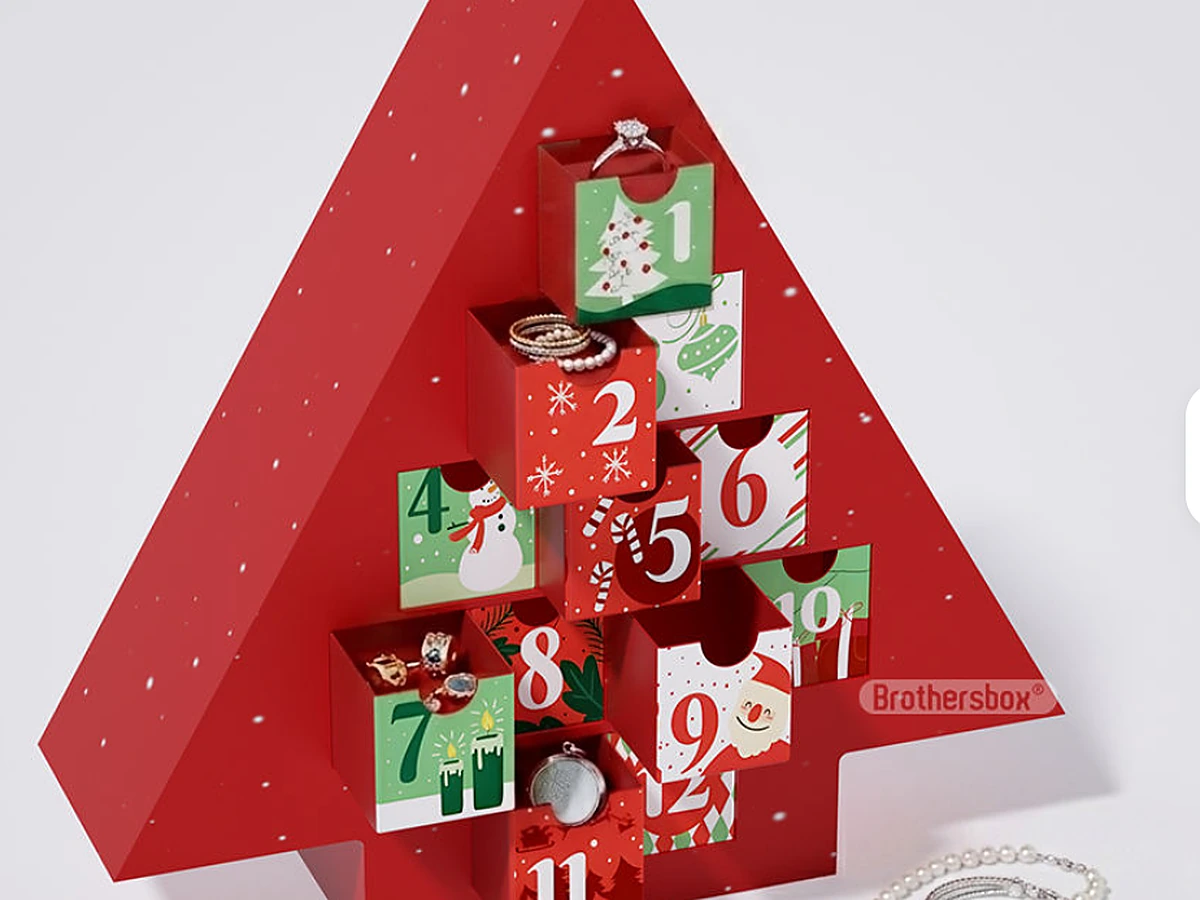
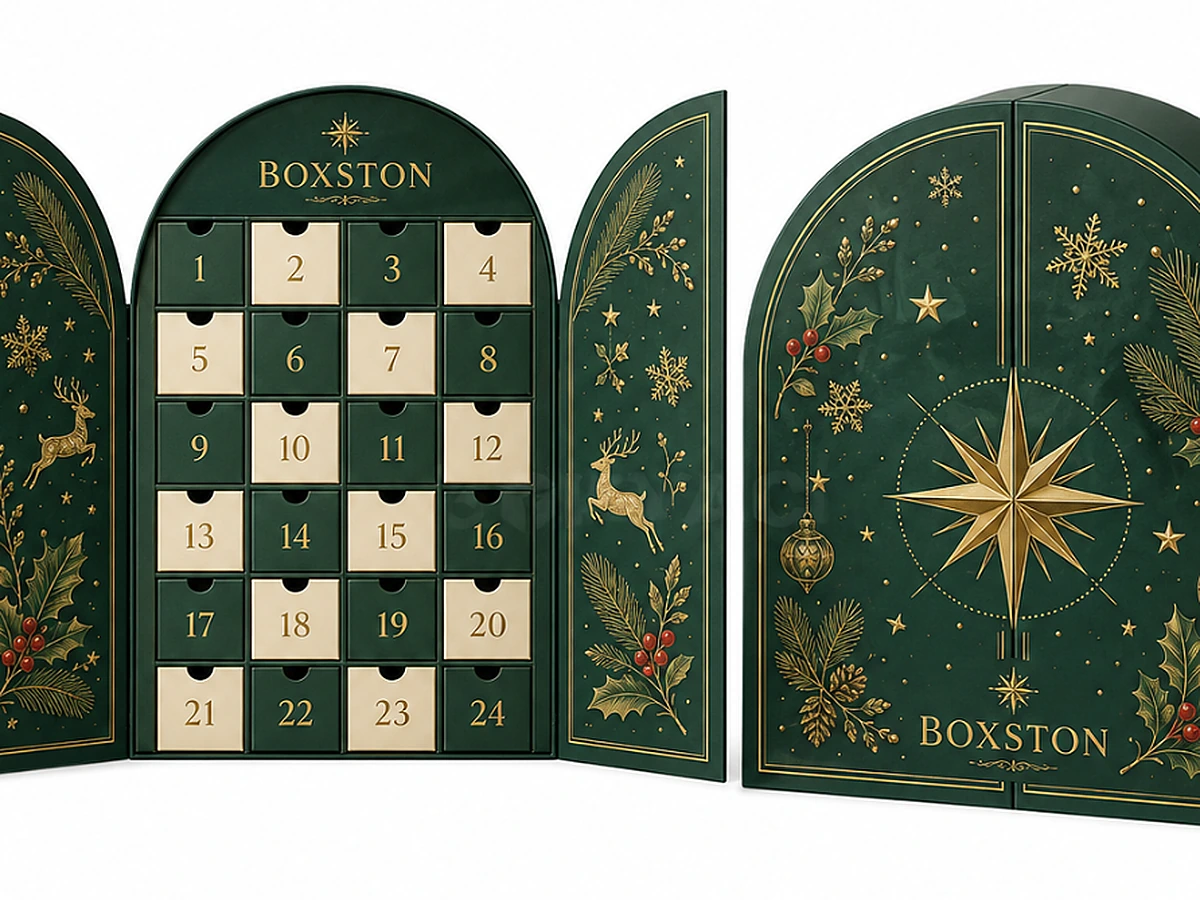
- Children's Christmas advent calendar boxes.
- Gift boxes that can serve as toy storage boxes.
- Packaging with games, puzzles or interactive structures.
When in doubt, confirm with the laboratory before testing whether the packaging falls within the scope.
The 7 items of information a CPC must contain
- Product identification: a product description and at least one unique identifier (such as SKU, model number or GTIN).
- The list of applicable CPSC regulations.
- The name, address and contact details of the certifier (importer or manufacturer).
- The contact details of the custodian of test records.
- The date and place of manufacture (factory name and address).
- The date and place of testing (laboratory name and address).
- A statement of compliance.
Common test items for children's packaging
| Test item | Requirement |
|---|---|
| Total lead content | No more than 100 ppm in accessible parts |
| Lead in surface coatings | Inks and coatings no more than 90 ppm |
| Phthalates | Where plastic parts are present, 8 phthalates no more than 0.1% |
| Small parts | Products for children under 3 must not have swallowable small parts |
| Tracking label | Product name, manufacturer, manufacturing address, date of manufacture and batch number on the packaging |
The exact test items depend on the product category and the age range, and are subject to the laboratory's assessment.
Case study: CPC testing of Lumepacking's children's advent calendar box
Client: an independent US brand; the product is a children's Christmas advent calendar box produced by Lumepacking.
Product: a paper advent calendar box, tested for the age group under 12, with the packaging and the label information assessed at the same time.
Process:
- Confirm the scope: confirm with the laboratory that the packaging is included in testing, and select the age group under 12.
- Fill in the application form: client, sample, manufacturer and CPC certificate information, item by item (see the next section).
- Send the sample: ship 1 intact bulk-production sample, marked with model and batch number.
- Testing: choose the standard turnaround; rush service adds 50% to the fee. This test took 7 days and cost USD 200.
- Certification: the client issues the CPC based on the test report and files it electronically at import customs clearance.
What we learned:
- The sample submitted must be made from bulk-production materials; paper, inks and glue must match the actual production.
- Model and batch numbers must be fixed before submission, as the CPC, the label and customs filing all use the same numbering.
- The manufacturer's name and address must match the factory's actual details; the place of production on the CPC is checked.
CPC test application form: 13 required items
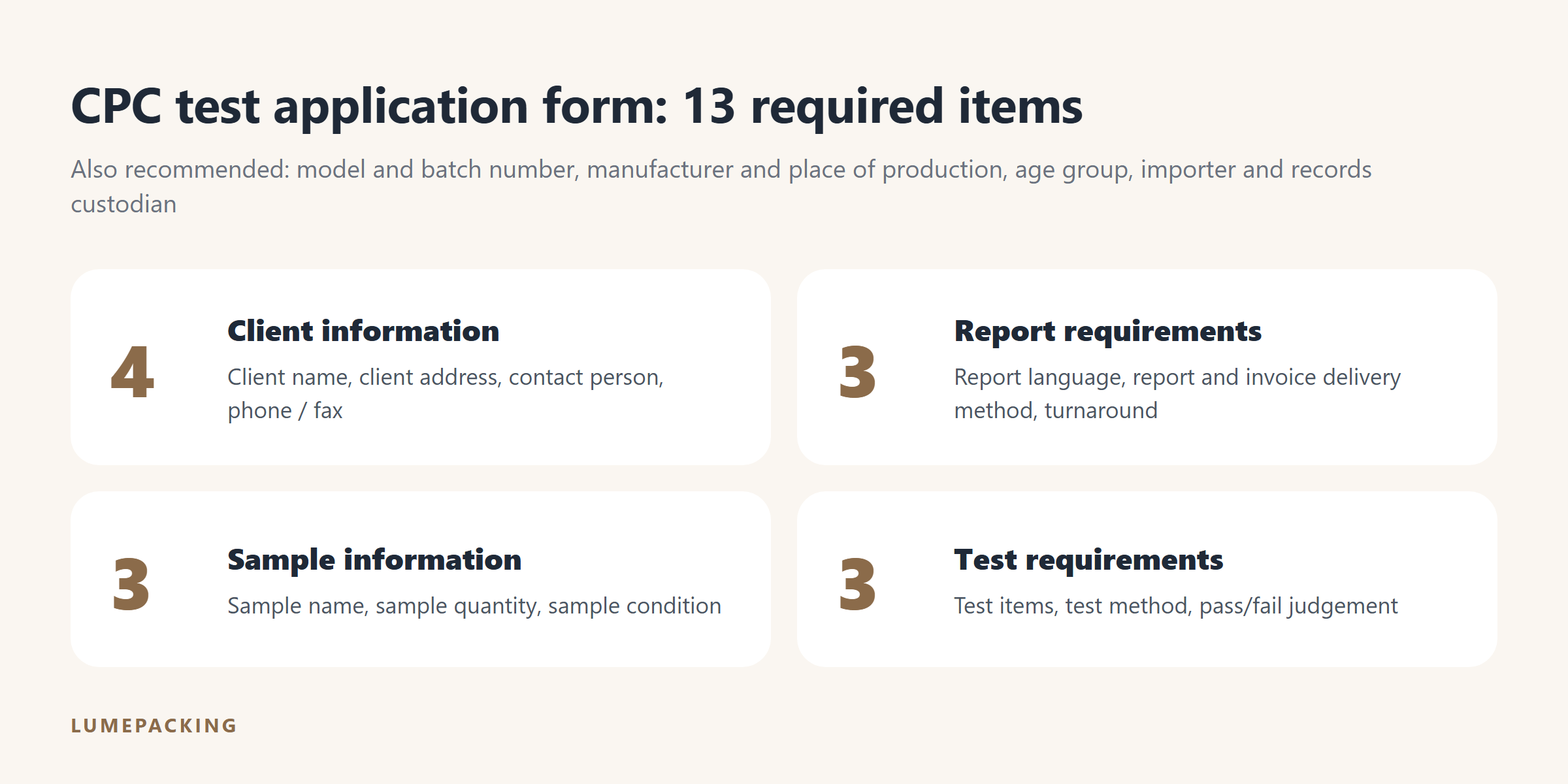 The 13 required items on the CPC test application form
These are the items marked as required (★) on the application form for this submission.
| Category | Required item | Notes |
|---|---|---|
| Client information | Client name | Usually the US importer or brand owner; fill in in English |
| Client address | Fill in in English | |
| Contact person | The person responsible for communication | |
| Phone / fax | Contact number | |
| Report requirements | Report language | Chinese or English; one language by default, an additional one is charged extra |
| Delivery method for report and invoice | Electronic document, self-collection or post | |
| Turnaround | Standard or rush service (50% surcharge) | |
| Sample information | Sample name | Must match the product name on the CPC and the label |
| Sample quantity | 1 piece in this case | |
| Sample condition | Intact and valid | |
| Test requirements | Test items, test method, whether a pass/fail judgement is needed (3 items) | List the parts and items to be tested; the laboratory may choose the test method; if a judgement is needed, state the basis |
In addition to the required items, the following information directly affects the CPC and should be filled in as well:
- Sample model and batch number.
- Manufacturer name, manufacturer address, place of production, country of origin and date of manufacture.
- The tested age group, and whether the packaging and the label information are assessed.
- CPC certificate information: importer information and records custodian information (may be the same as the client).
- Whether samples are tested as a composite: up to 3 materials of the same type may be combined, and a composite result does not represent the result of an individual material.
What information a children's packaging label needs
The packaging needs a tracking label so that a specific batch can be traced if a problem arises. The label in this case carried 5 items of information:
- Product name.
- Manufacturer.
- Manufacturing address.
- Date of manufacture.
- Batch number.
The label information must match the application form and the CPC. We recommend reserving space for the label at the design stage, and printing it on the packaging or using an adhesive label.
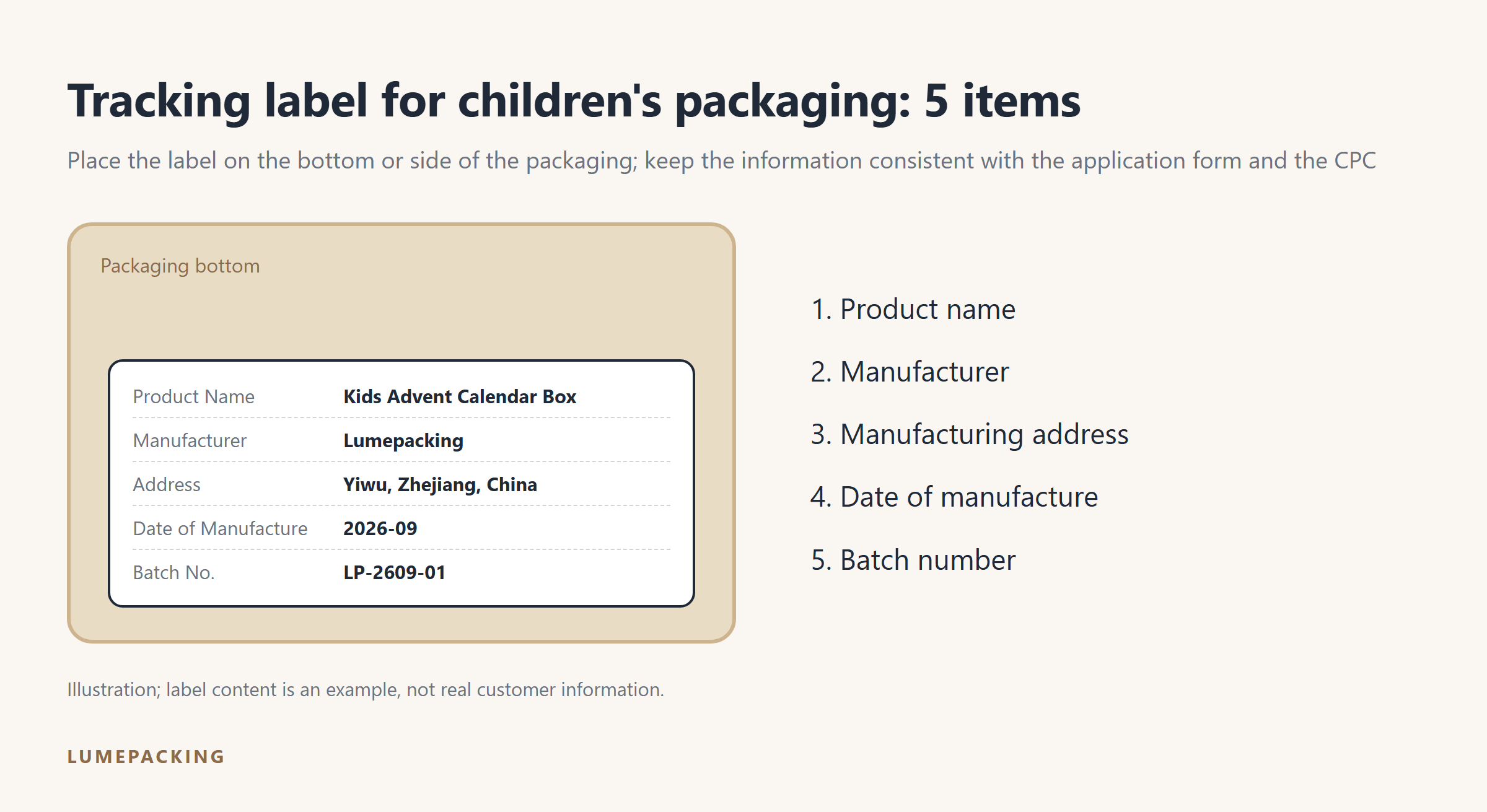 The 5 items of information on a children's packaging tracking label
New in 2026: CPC electronic filing (eFiling)
From 8 July 2026, products regulated by the CPSC that are imported into the US must have their CPC data filed electronically through CBP's ACE system at customs entry.
- Responsible party: the importer, who must give the data to the customs broker before entry.
- No exemption for small shipments: products that require a CPC must be filed regardless of value.
- Foreign-trade zone (FTZ) products: applies from 8 January 2027.
- Consequence of not filing: clearance delays and more port inspections.
Common CPC mistakes
- Using the factory's test report in place of the CPC.
- The laboratory is not on the CPSC's accepted list.
- The test sample does not match the bulk-production materials.
- No retest after changing the ink, paper or factory.
- Missing tracking labels on the product and packaging.
How to get started
Send Lumepacking the product photos, materials, age range and sales market. We will first judge whether the packaging needs to be included in CPC testing, and use compliant materials and inks in production.