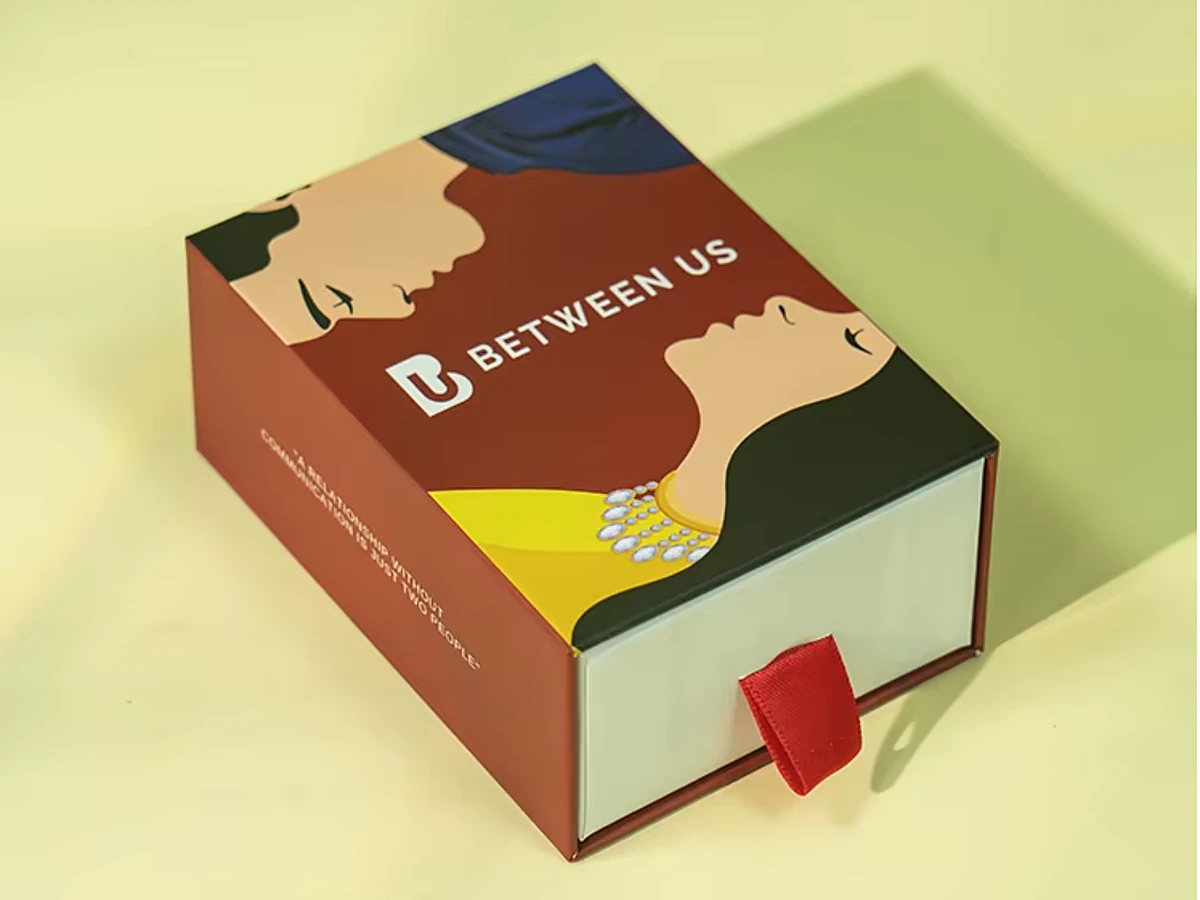
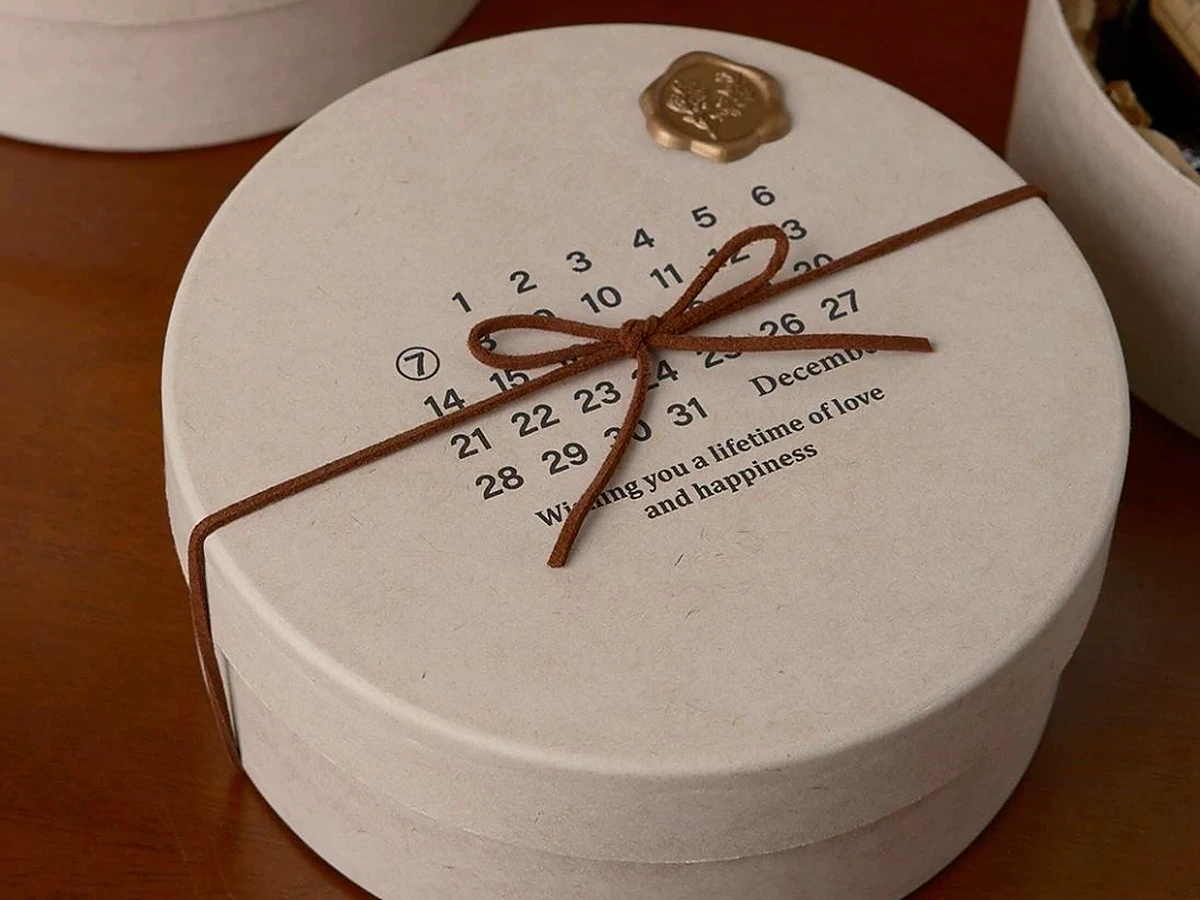
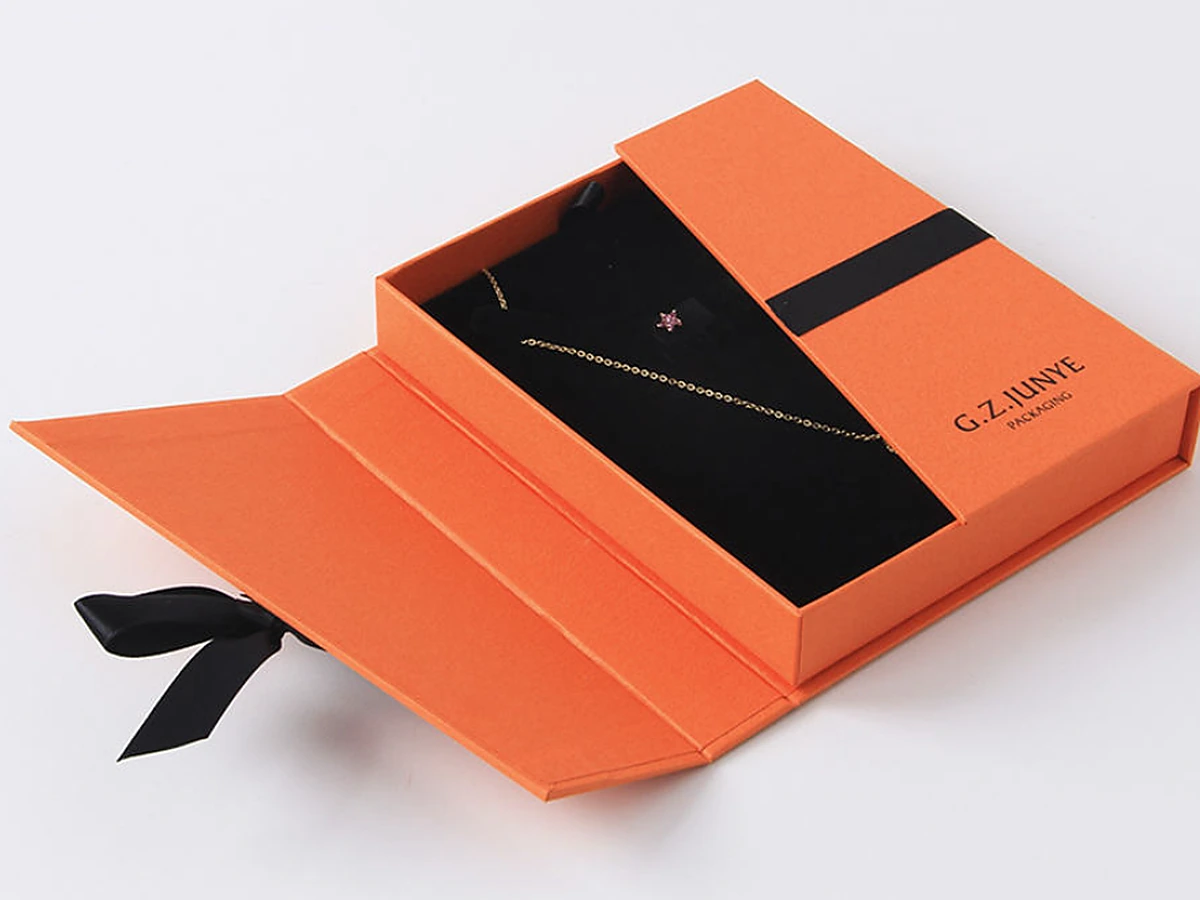
Lid-and-base boxes and magnetic flip-top boxes are the two rigid gift boxes buyers compare most often. Lumepacking hears the same question from customers all the time: I sell this product, which box should I use, and what difference will it make to my brand and my costs? This guide answers by product, by selling scenario and by the questions customers ask most.
Key facts: lid-and-base vs magnetic flip-top
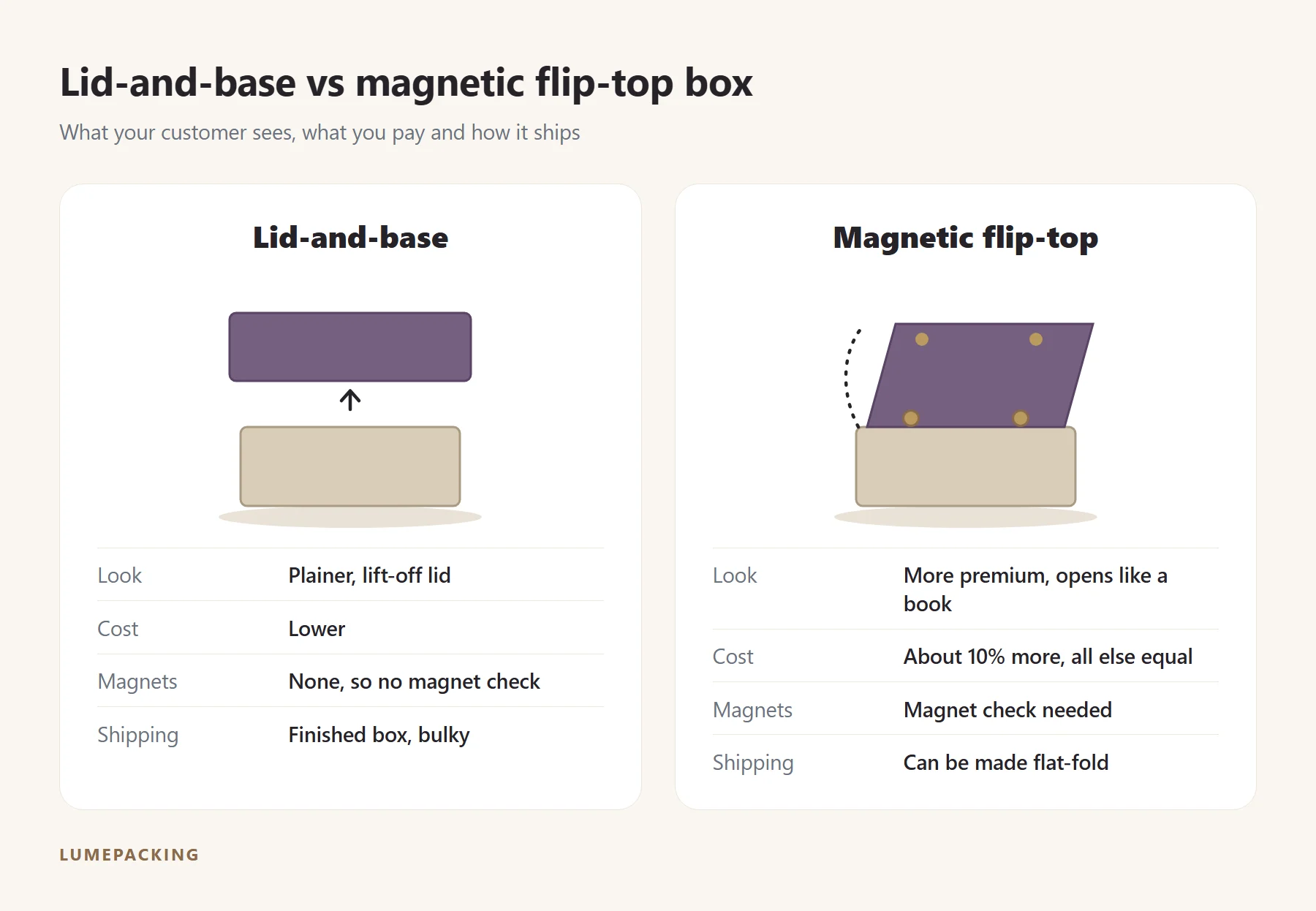
- All else equal, a magnetic flip-top box costs about 10% more than a lid-and-base box (customer feedback).
- A magnetic box needs its magnets checked; a lid-and-base box has no magnets, so that step is skipped.
- A lid-and-base box ships as a finished box; a magnetic flip-top can be made flat-fold, which saves freight.
- A magnetic flip-top box looks more premium than a lid-and-base box.
I sell this product: which box should I choose?
| Product / scenario | Recommended | Why |
|---|---|---|
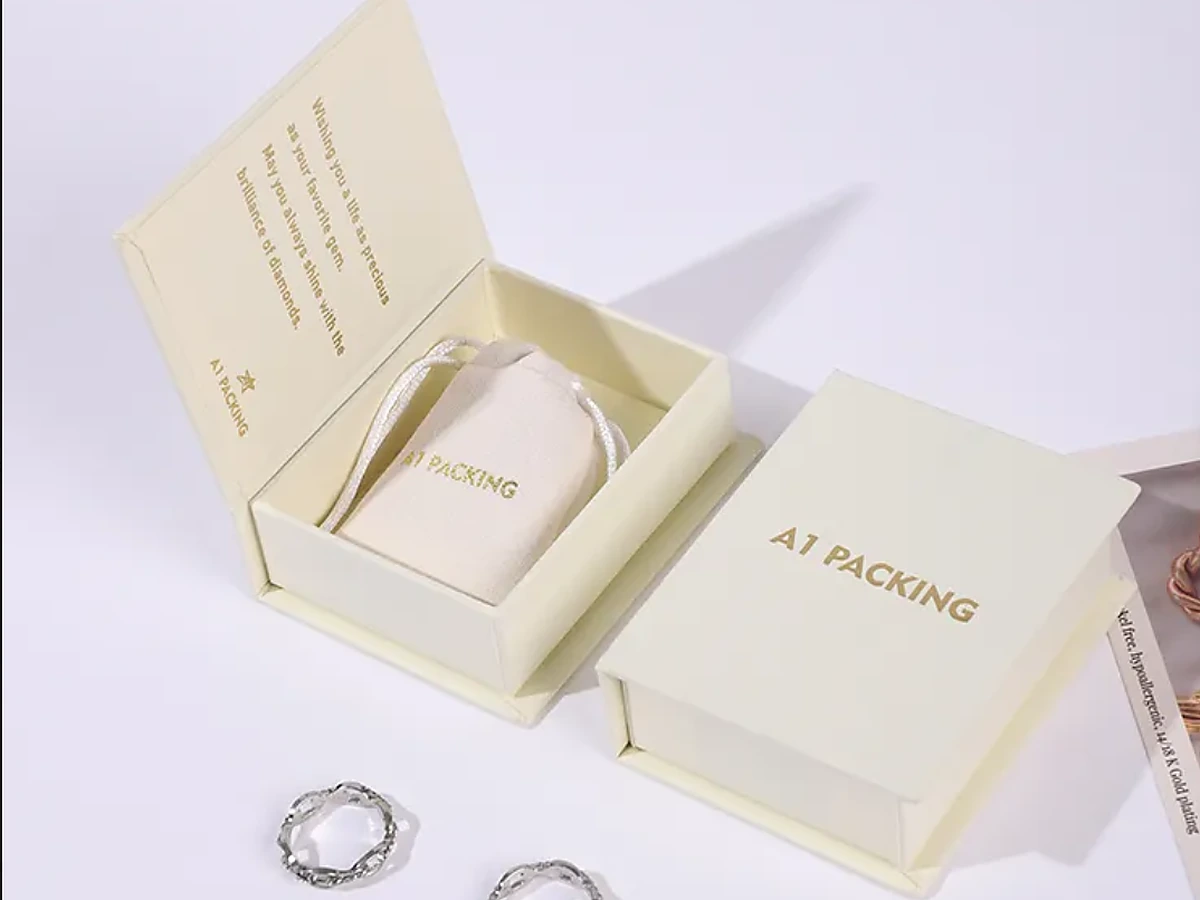
| Rings, necklaces, bracelets (jewelry) | Magnetic flip-top | Opens like a book and the lid frames the product |
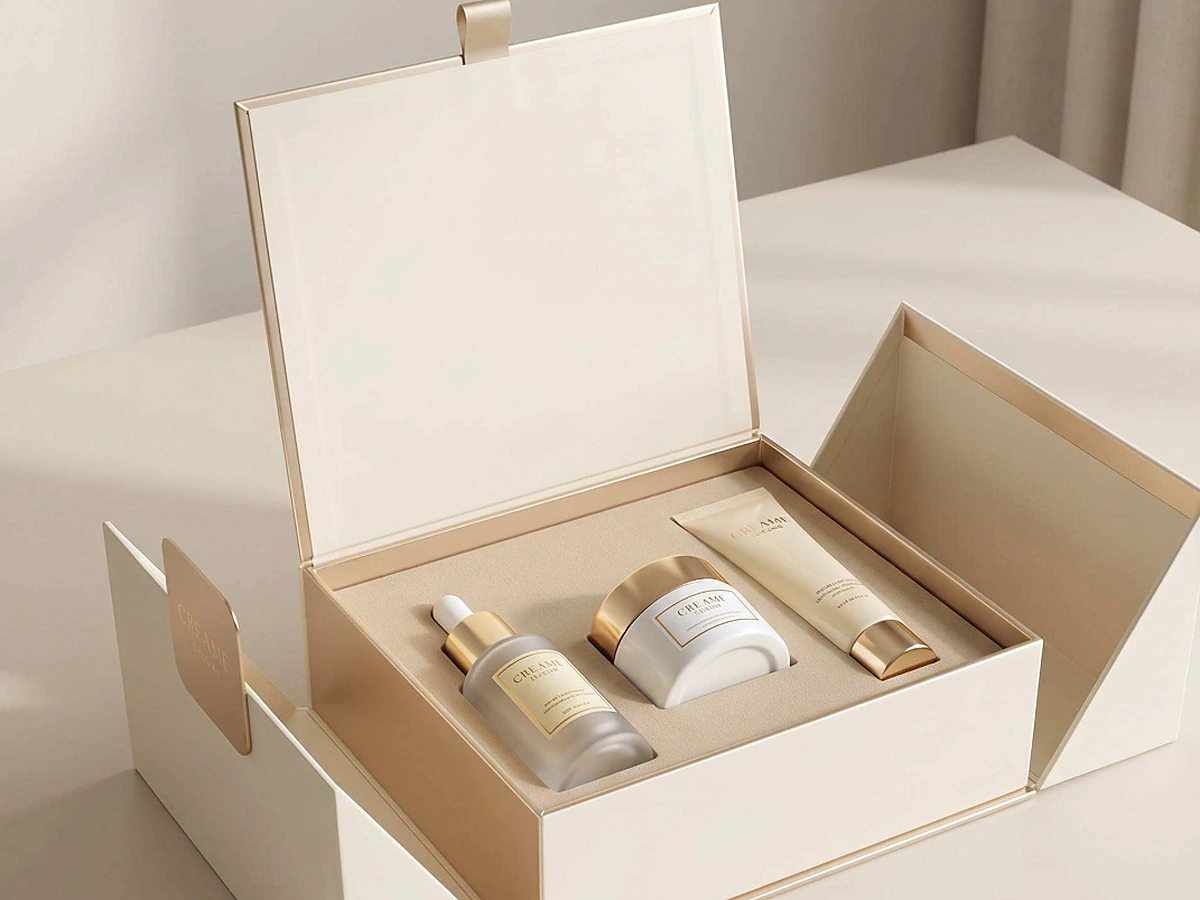
| Skincare and makeup gift sets | Magnetic flip-top | Sets are high value and customers keep the box |
| Perfume and fragrance gifts | Magnetic flip-top; lid-and-base on a tight budget | Brand feel comes first |
| Candles and home fragrance | Lid-and-base | Heavier items, the lid sits firmly, lower cost |
| Scarves, T-shirts, shirt gifts | Lid-and-base | Flat products that do not need a magnetic closure |
| Chocolate and food gifts | Either | Magnetic for seasonal gifts, lid-and-base for everyday lines |
| Earphones, cables and electronics accessories | Lid-and-base | Price-sensitive, high volume |
| Wine and spirits | Magnetic flip-top | Secure closure and strong display |
| Corporate gifts, onboarding kits | Lid-and-base; magnetic for executive gifts | At volume the cost gap is clear |
| Subscription boxes, influencer PR kits | Magnetic flip-top | Strong in unboxing videos |
| Trade show giveaways, bulk small gifts | Lid-and-base | Cost comes first |
What your customer sees: which box looks more premium?
A magnetic flip-top box looks more premium than a lid-and-base box: the lid closes with a magnetic pull, opens like a book, and can frame the product. A lid-and-base box is a lid you lift off, which looks plainer. If the product goes on a retail shelf or will be filmed in an unboxing video, the magnetic style looks better.
For high unit-value products that need to impress, the magnetic box is worth it.
How much more does a magnetic flip-top box cost?
All else equal, a magnetic flip-top box costs about 10% more than a lid-and-base box (customer feedback). The extra cost comes from three things: the magnets themselves, the hinge construction, and an extra magnet check. The exact gap depends on size, board and finish, so ask Lumepacking to quote both on your specification.
Ask for both quotes at once, then decide whether the cost gap is worth it.
Magnet checks: why a lid-and-base box skips them
A magnetic box uses magnets, and the magnets are checked before shipping. A lid-and-base box has no magnets, so this step is skipped, saving both time and cost. If your order has a tight delivery date, this matters.
For tight deadlines, ask how long the magnet check takes.
Shipping and freight: finished box or flat-fold?
A lid-and-base box is a finished box, so it ships as a full rigid box, which takes space and raises sea and courier freight. A magnetic flip-top can be made as a flat-fold style: it ships flat, so far more fit in a carton, and it is folded into shape on arrival. See our flat-fold flip-top box. For more ways to cut freight and cost, see packaging cost reduction.
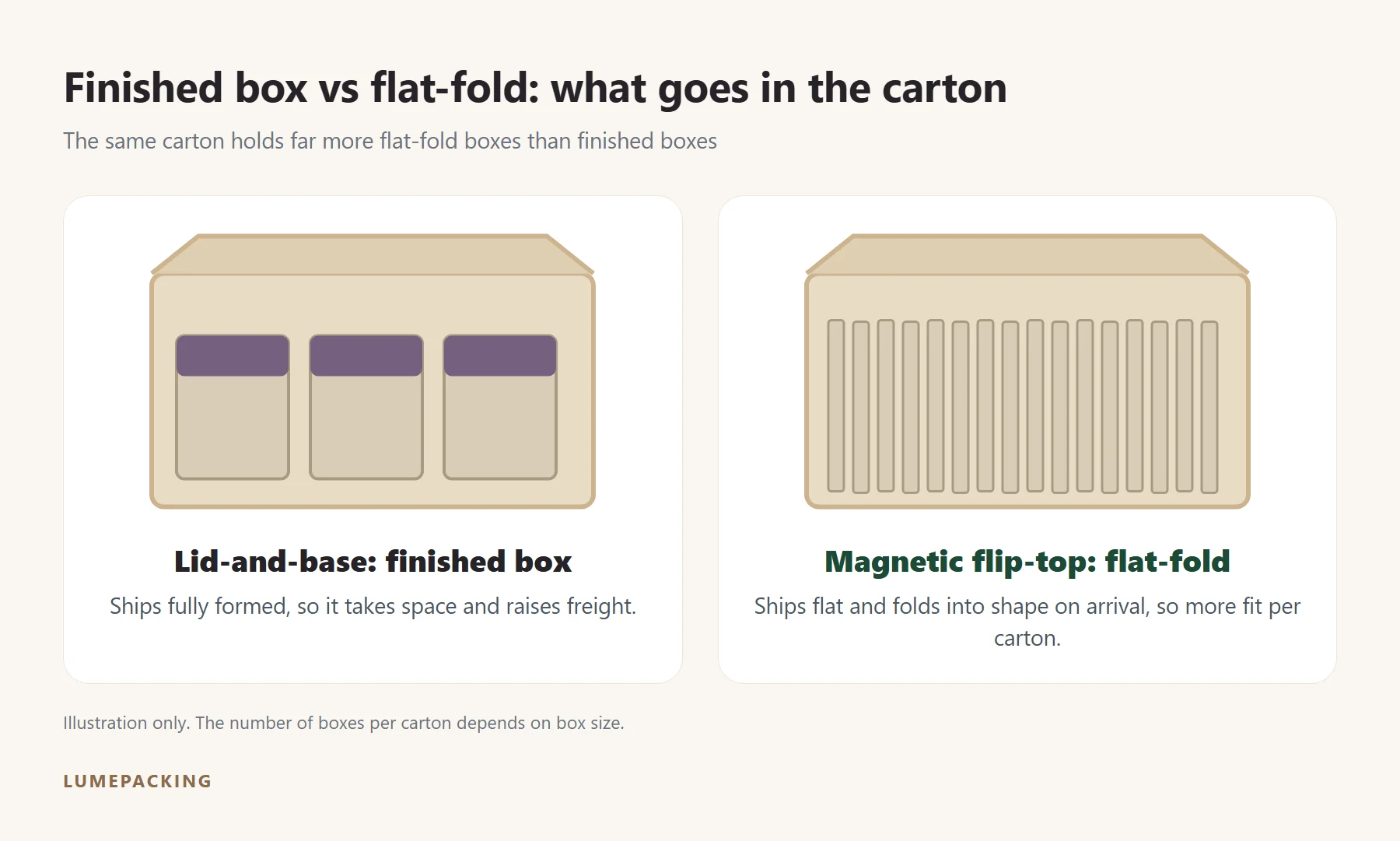
If your goods ship to Europe or North America and freight is a big share of cost, look at the flat-fold style first.
Questions customers ask most
Will a magnetic box open by itself in transit?
Normally not; the magnets hold the lid closed. Whichever style you choose, we still recommend an outer carton or mailer; see our e-commerce box range.
Can a lid-and-base box look more premium?
Yes. Better paper, foil or embossing and a well-designed insert lift the feel noticeably, though it will not match the "open like a book" moment of a magnetic box.
Which is better for jewelry and skincare?
Both are high unit-value products that customers keep the box for, so choose the magnetic flip-top, such as the magnetic velvet jewelry box or the book-style skincare set box.
What about candles, scarves and electronics accessories?
These are more cost-sensitive, so a lid-and-base box fits better, and a structure like the two-layer lid box can add depth.
Can I use both styles in one gift set?
Yes. For example, a magnetic box for the main product and a lid-and-base box for accessories keeps the main piece premium while controlling total cost.
What are the MOQ and sample time?
The MOQ is usually 1,000 pieces, and samples are ready about 3–5 days after confirmation.
How to choose between the two
1. Start from product value and the selling scenario
High unit value, products that must impress, or unboxing videos point to the magnetic flip-top; high volume and cost sensitivity point to the lid-and-base box.
2. Then look at shipping and freight share
If freight is a big share of cost, make the magnetic box flat-fold; for small, local shipments, a finished lid-and-base box is fine.
3. Finally, add up the total cost
Count the box, the magnet check, freight and lead time together, not just the price of the box.
How to get started
Send Lumepacking your product, dimensions and target channel, and we will quote both a lid-and-base and a magnetic flip-top box and arrange a sample.