Kraft paper bags and white card paper bags are the two most common materials for branded carrier bags, and they differ in look, print result and environmental profile. Lumepacking makes both for European and North American retail brands. This guide compares them by material, print, finishing and best use.
Kraft vs white card paper bags: key differences
| Kraft paper bag | White card paper bag | |
|---|---|---|
| Look | Natural brown, visible fibre | Smooth white, bright colour |
| Typical weight | 250–350 gsm | 250 gsm |
| Strength | Long fibres, tear-resistant | Stiff, but edges scuff more easily |
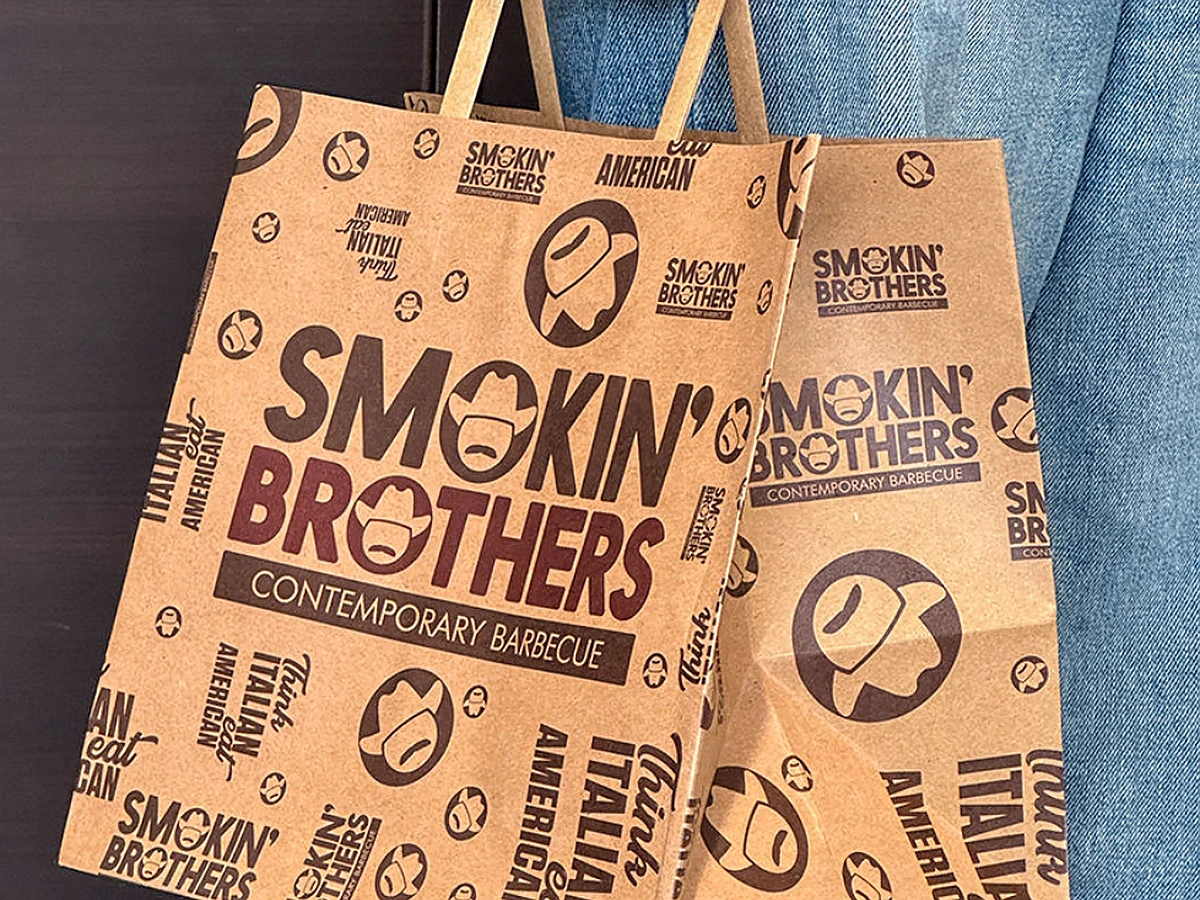
| Print result | Dark or few-colour designs print best; light colours and full coverage look dull | Fine full-colour, good for full-coverage artwork |
| Surface finishing | Cannot be laminated | Lamination, foil and embossing possible |
| Relative cost | Usually lower | Usually higher, depending on finish |
| Best for | Takeaway, bakery, flowers, eco brands | Apparel, skincare, jewelry, premium gifts |
What is a kraft paper bag?
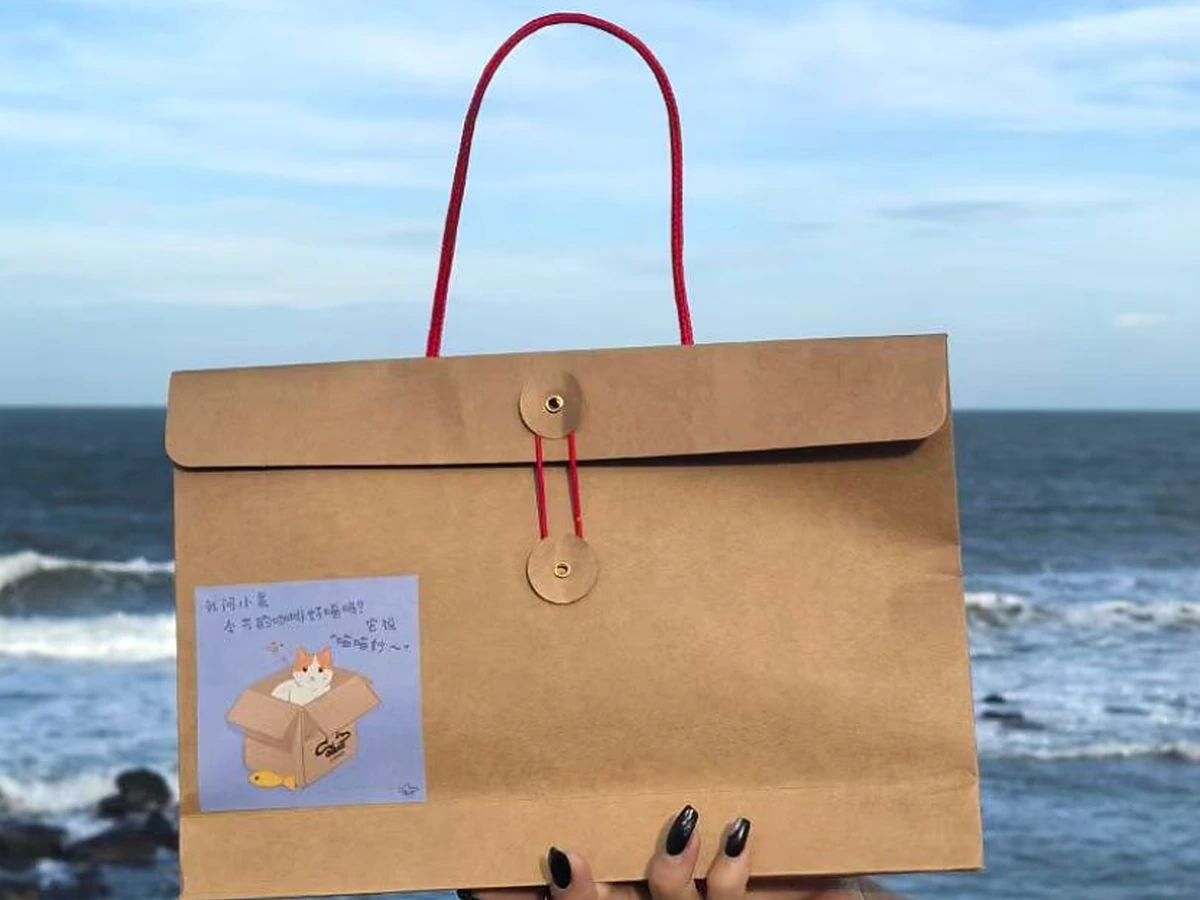
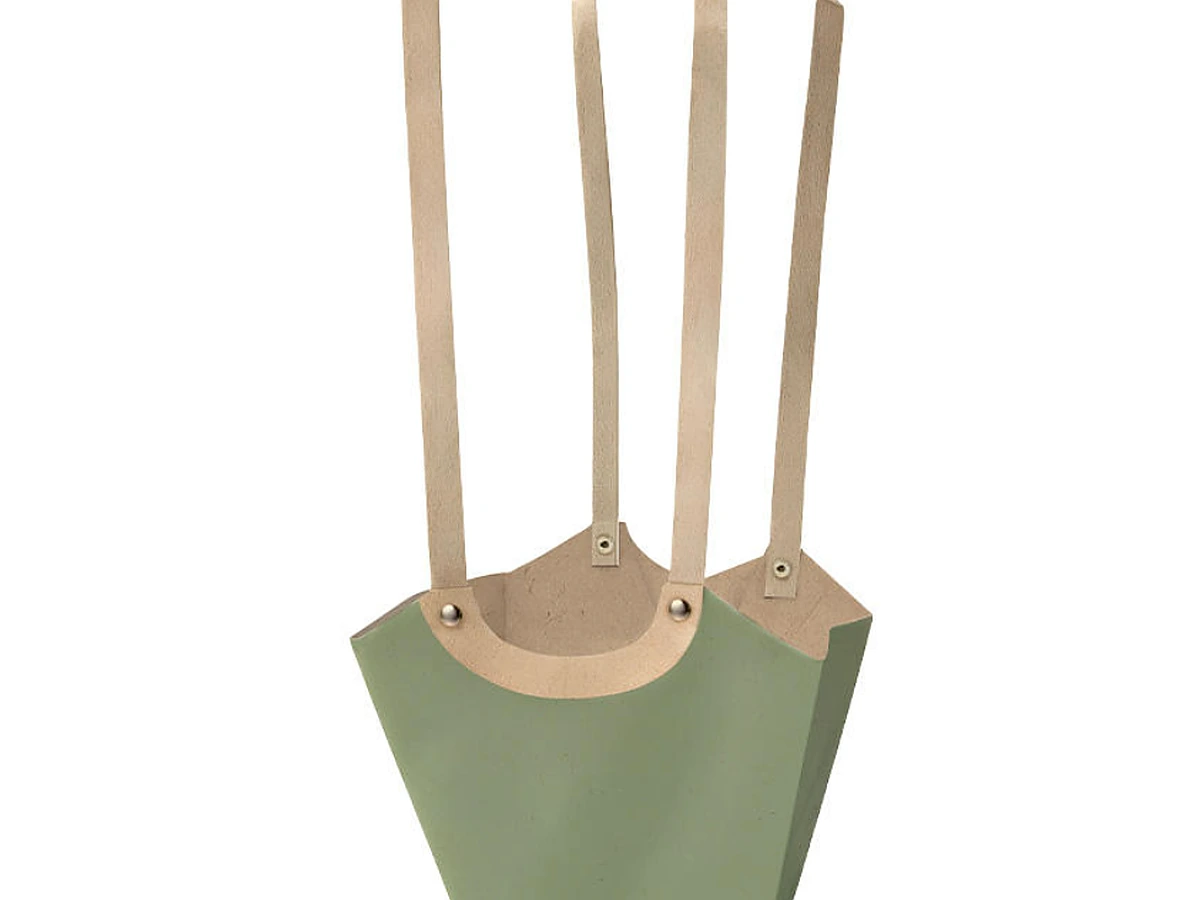
A kraft paper bag is made from natural kraft paper with no bleached coating. Lumepacking's catalogue includes the all-over printed kraft takeaway bag (250 gsm), the vintage kraft gift bag with button-tie closure (350 gsm) and the waterproof kraft flower bouquet bag (250 gsm).
Kraft is brown, so swap light artwork for dark ink or foil when you design.
What is a white card paper bag?
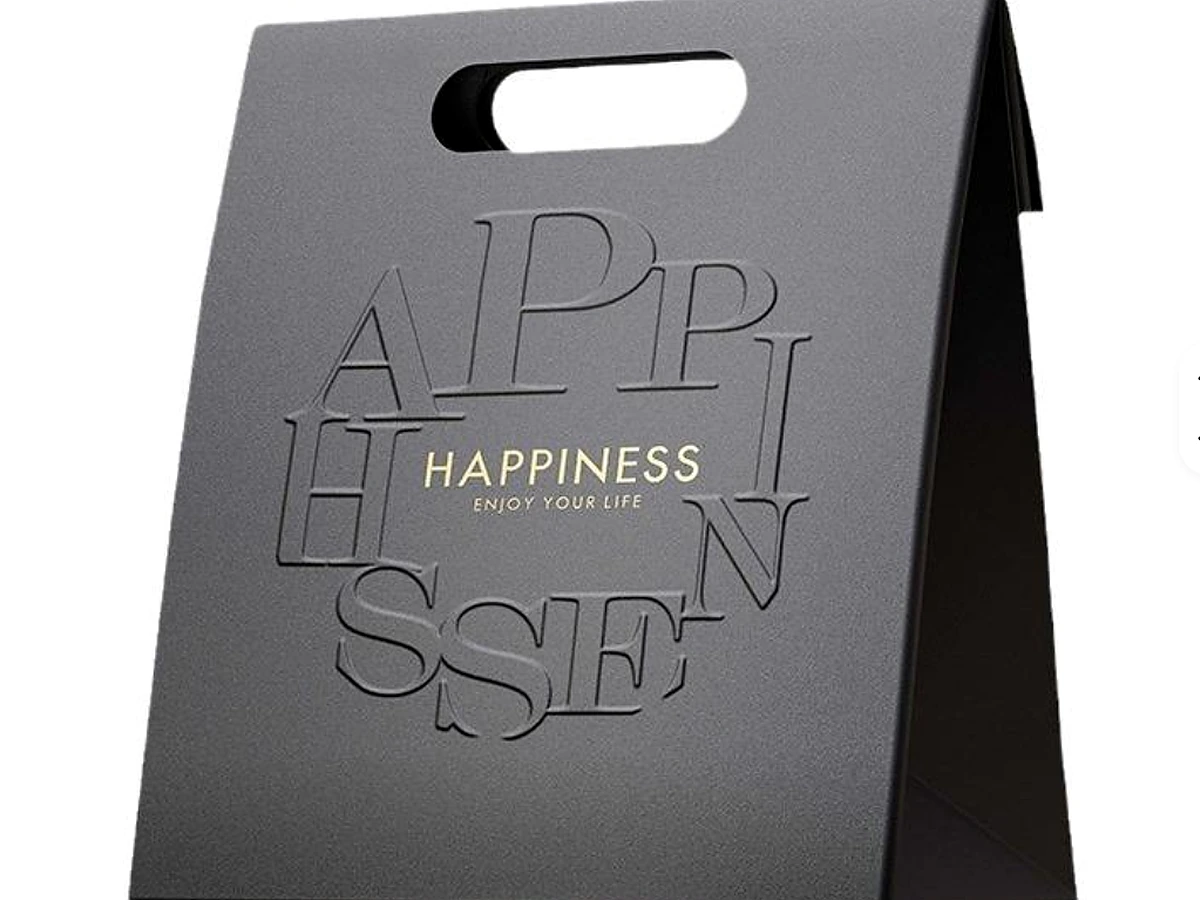
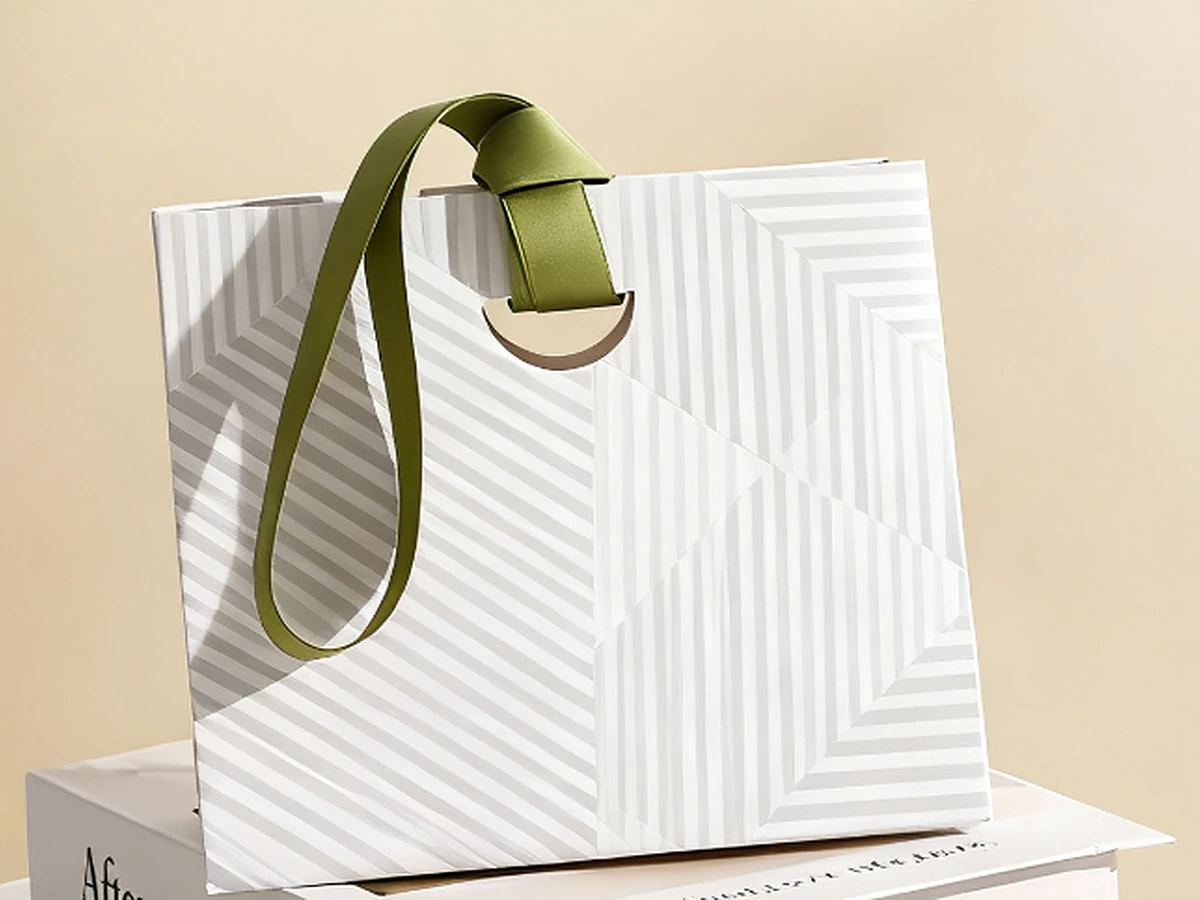
A white card bag is made from white board with a smooth face and accurate colour. The embossed-logo shopping bag and the flat-bottom gift bag in our catalogue are both 250 gsm white card.
Choose white card when you need full-coverage colour or a premium feel.
What finishing limits does each bag have?
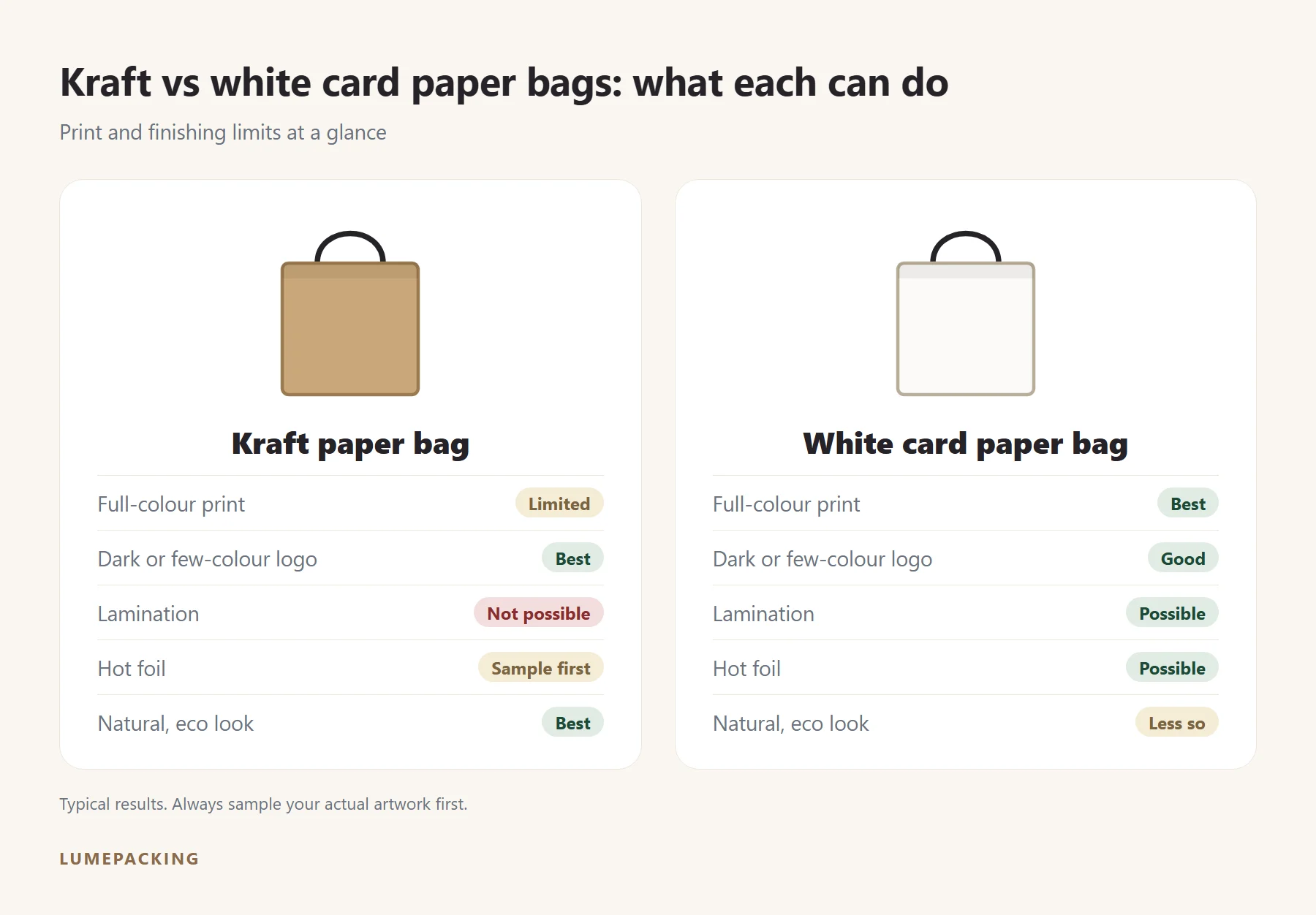
Kraft paper has a fibrous, textured surface, so it cannot be laminated and cannot take a matt or gloss film; foil should be sampled first to see whether the texture breaks the foil. White card is smooth, so lamination, foil and embossing all work; see our foil and lamination guide for the details.
Decide on the material first, then on which finishes are possible.
How do they compare environmentally?
Both are paper and recyclable, but lamination lowers the recyclability grade of a white card bag, so peelable water-based lamination or no lamination is the safer choice. Because kraft cannot be laminated, it is naturally closer to a single material, which helps under the EU rules; see our PPWR-compliant packaging page.
If recyclability matters to your brand, ask which lamination and adhesive are used.
How to choose between them
1. Start from brand tone
Natural, handmade or eco-minded brands suit kraft; premium, fashion or colour-led brands suit white card.
2. Check the print needs
A simple logo in one or two colours is fine on kraft; full-coverage colour artwork, lamination or foil calls for white card.
3. Confirm use and load
Takeaway, bakery and flowers need a durable bag and a suitable handle, so kraft; apparel and gifts need a premium feel, so white card with a ribbon or rope handle.
How to get started
Send Lumepacking your brand tone, bag size and quantity, and we will recommend the right paper and arrange a sample. Samples are usually ready 3–5 days after confirmation, with an MOQ of 1,000 pieces.