A different role for tissue packaging
A tissue-product manufacturer wanted to move beyond the ordinary disposable box. The goal was not only to contain and transport tissues, but to give the packaging its own practical and emotional value.
We approached the project as an object that could remain visible in the home. If customers enjoyed the design and chose to keep using the box, every interaction would also reinforce recognition of the brand.
Designing for attention and emotion
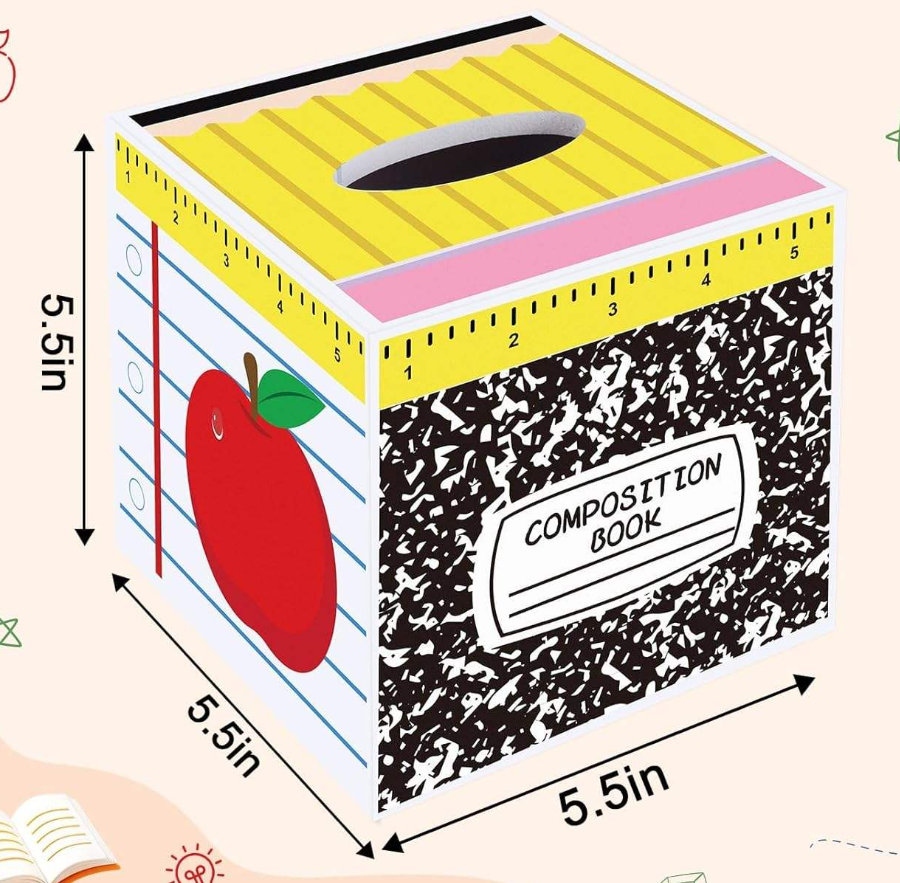
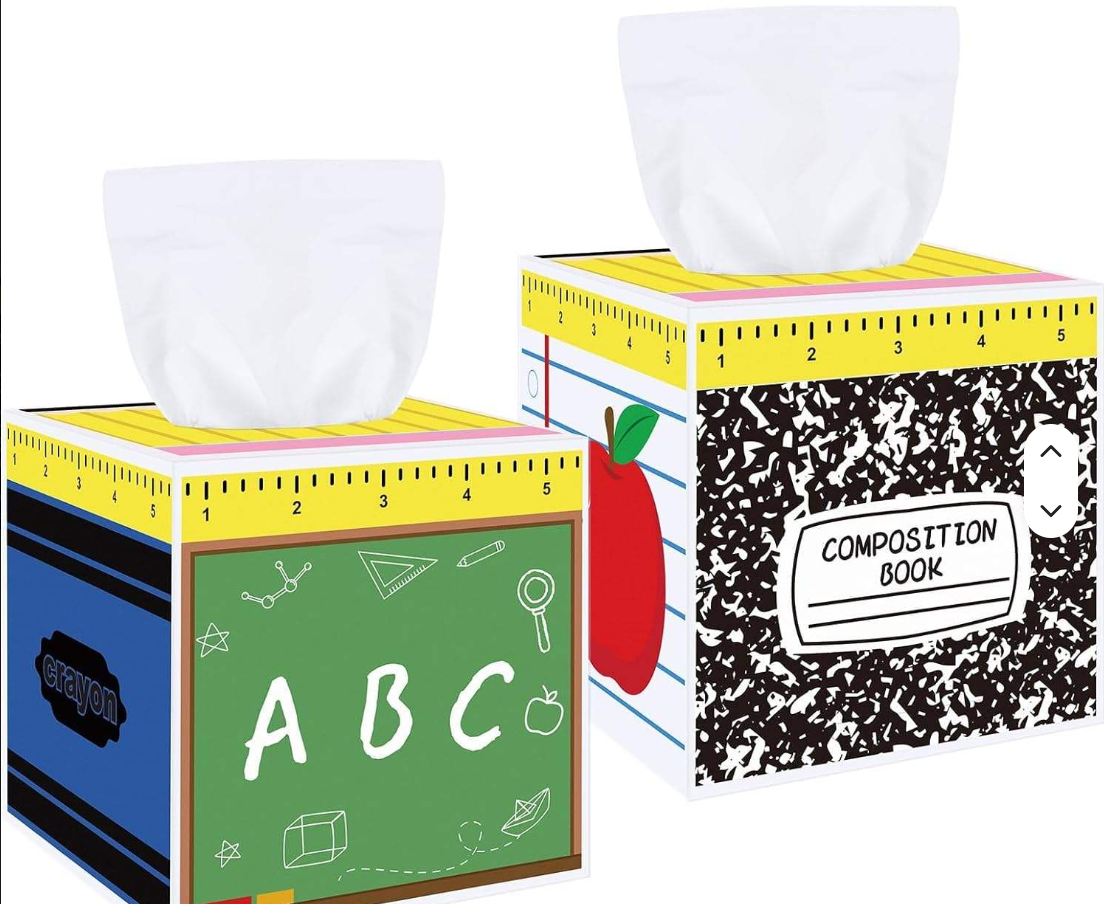
The visual direction is deliberately lively, colourful and easy to notice on a crowded shelf. School-inspired patterns, strong colour blocks and playful illustrations make the box feel friendly rather than purely functional.
The copy follows the same tone: “When you cry, you’ll need me. When you eat, you’ll need me. Even in the bathroom, you’ll need me.” These small moments of humour give an everyday product a more human personality.
Adding a write-and-wipe interaction
One panel was designed as a small reminder area where the user can write a note, task or something they do not want to forget. This simple interaction gives the box a second purpose on a desk, shelf or bedside table.
To support repeated handling, we specified a thicker and smoother protective film than the lamination normally used on many standard cartons. The surface is waterproof, more resistant to scratches and suitable for wiping clean after use.
A box designed to be refilled
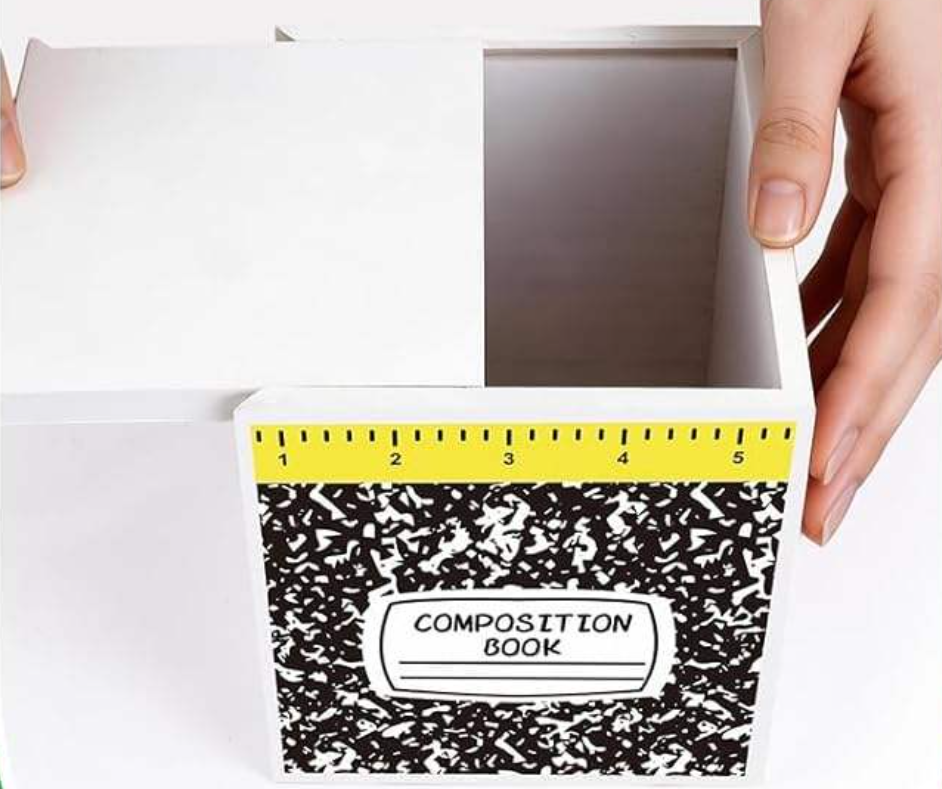
The bottom of the carton can be opened so the user can insert more tissues after the original pack is finished. It can accept loose tissues or a refill pack supplied by the tissue brand.
This transforms the carton from disposable packaging into a reusable tissue-box cover. It also gives the manufacturer an opportunity to develop refill sales while reducing the likelihood that the branded outer box is immediately thrown away.
Packaging as long-term brand media
When a customer keeps an attractive package on a table or shelf, the box continues to communicate colour, logo and brand personality long after purchase. Instead of paying for a brief moment of attention, the brand becomes part of the customer’s daily environment.
The concept reflects a central Lume Packing principle: packaging should do more than carry a product. It can be useful, memorable and emotionally engaging—and it can make a brand easier to notice, keep and remember.